


A commercial roof leak rarely starts with a dramatic tear across the membrane.
Most of the time, it shows up as a ceiling stain that “probably isn’t a big deal,” or a musty smell in one area of the building that your team can’t quite explain. And by the time the leak becomes obvious, the damage underneath has often been building for weeks or months.
Commercial roof penetrations are one of the most common starting points for failure, because they introduce weak spots into a system that is supposed to be continuous and watertight.
Let’s explore how to spot early warning signs and what practical steps prevent small defects from turning into major roof damage.
Why commercial roof penetrations fail so often
The simplest way to explain it is this: a roof membrane works best when it’s uninterrupted.
Roof penetrations fail when one (or more) of these conditions exists:
- The penetration wasn’t designed properly for the roof system
- The wrong flashing method was used
- Sealants were relied on as the main waterproofing strategy
- Multiple trades worked on the roof without coordination
- Foot traffic and vibration slowly loosened the details
- Water was allowed to sit near the penetration due to drainage issues
- Past repairs covered symptoms instead of solving the cause
The challenge most facilities teams run into
Penetration issues can look minor on the surface, but water doesn’t need a big opening – it only needs a path.
Once it finds a way under the membrane, it can travel laterally and soak insulation, rust fasteners, and compromise structural components without showing obvious external damage right away.
That’s why we encourage a mindset shift:
Don’t wait for penetration leaks to “prove themselves.” If something looks questionable around a penetration, treat it as a priority detail.
What counts as a commercial roof penetration
We’re talking about any element that passes through, interrupts, or mounts into the roof system. That includes obvious items like:
- Pipes and vents
- Conduit and electrical lines
- Gas lines
- Roof drains
- HVAC curbs and rooftop units
- Exhaust fans
- Skylights
- Equipment supports
And it also includes less obvious things like:
- Abandoned penetrations from older equipment
- Temporary penetrations created during tenant improvements
- “Quick access” openings from other trades
- Small fastener penetrations from add-ons that weren’t coordinated
The real cost of roof penetration leaks for commercial buildings
When people think about leaks, they often think in repair and maintenance costs. But commercial roof leaks don’t just cost money. They cost time, trust, and operational stability.
And depending on your building type, roof penetration leaks can lead to:
- Disrupted tenant operations
- Damage to inventory, equipment, or finish materials
- Ceiling collapse risk in worst-case scenarios
- Mold and indoor air quality issues
- Warranty complications
- Emergency repair premiums
- Multiple return visits from contractors
- Reputational damage if customers experience a closure
Facility managers often end up carrying the stress of these problems even when the original penetration work wasn’t done by their team.
That’s why roofing prevention isn’t a “nice-to-have.” It’s part of protecting the building’s uptime.
Common commercial roof penetrations that fail first
Not all penetrations fail at the same rate. Some are naturally higher-risk because of movement, vibration, and constant service access.
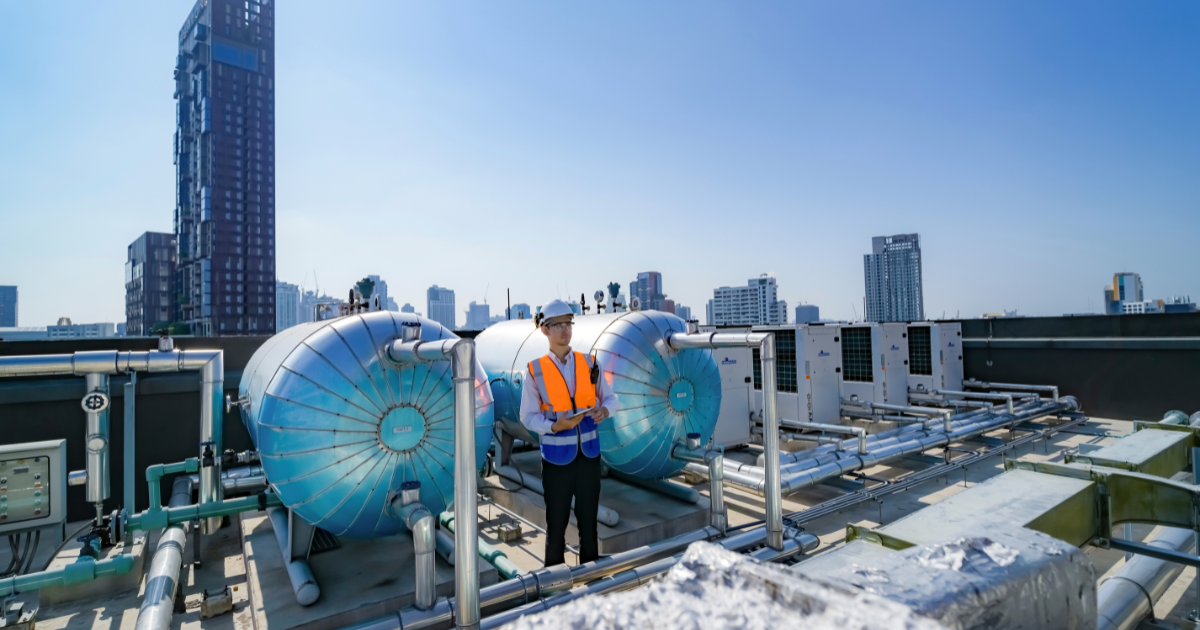
HVAC roof penetration failures
These are one of the biggest culprits behind commercial roof problems.
Why?
Because HVAC components create several challenges at once:
- Large openings
- Complex curb geometry
- Frequent technician access
- Vibration and movement
- Condensation risk
- Ongoing replacements and upgrades
If the roof and HVAC work aren’t coordinated, it often results in rushed cuts, mismatched materials, and “we’ll seal it later” logic that doesn’t hold up long-term.
Industry commentary on roofing and HVAC coordination highlights that curb installation and flashing integration require coordination between trades to avoid leak points.
Pipe penetration roof leaks
Pipe penetrations can look simple, but they fail often because they’re treated like a small detail that doesn’t deserve much attention.
Here’s what we commonly see:
- Old pipe boots that have cracked
- Sealant smeared around the base instead of proper flashing
- Pipes that move slightly over time due to thermal expansion
- Wrong boot type for the membrane material
Pipe penetrations also become leak magnets when the roof has ponding water nearby. Water doesn’t “forgive” weak details. It sits and tests them.
Exhaust fans and kitchen ventilation penetrations
Exhaust penetrations are especially risky for restaurants and food facilities.
Beyond the normal weather exposure, these penetrations can also deal with:
- Grease accumulation
- Higher heat cycles
- Frequent service calls
- Added weight and vibration
Even when the penetration isn’t directly leaking, the surrounding membrane can degrade faster due to buildup and traffic.
How to spot early penetration problems before they become major failures
The goal is not to turn you into a roofer. It’s to give you enough visibility to catch risk early and act before damage spreads.
Here are the early signs we tell clients to watch for:
On the roof surface
- Cracked or brittle sealant around penetrations
- Lifting flashing edges
- Wrinkles or “tenting” around boots and curbs
- Soft spots when walking near a penetration
- Standing water that stays near a curb or pipe
- Exposed fasteners or missing termination hardware
- Previous patchwork that looks layered or uneven
Inside the building
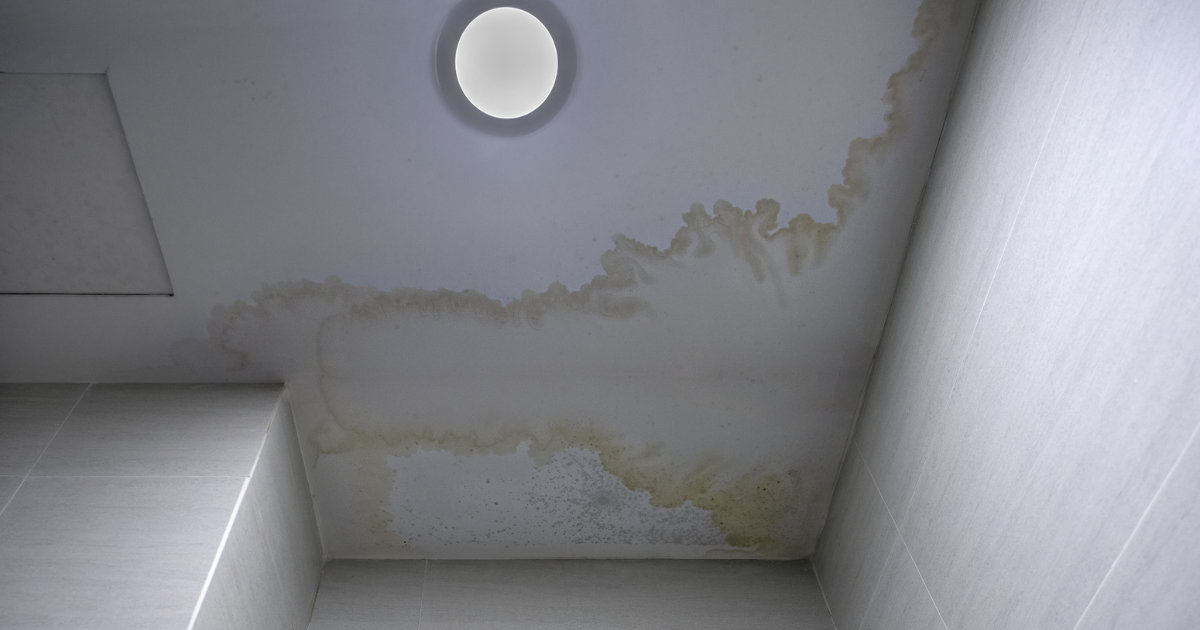
- Ceiling stains under rooftop units
- Drips that appear only during wind-driven rain
- Musty odors in a specific zone
- Damp insulation smell near walls
- Bubbling paint or warped ceiling tiles
A note about intermittent leaks
One of the most frustrating types of roof leak is the one that only shows up “sometimes.” Penetration leaks are famous for this.
They may only leak when:
- Rain hits from a specific direction
- Drainage backs up temporarily
- Temperature swings open a seam
- High foot traffic shifts a flashing edge
That doesn’t mean the problem is imaginary. It usually means the leak path is complex.
Commercial roof penetrations require a smarter repair approach
When penetrations fail, the wrong move is to rush a patch without understanding the system.
A smart repair plan answers three questions:
- What exactly is failing?
- Why is it failing?
- What repair method will hold up for years, not weeks?
That’s where working with a specialist matters.
Silicoat Roofing looks at penetrations as part of the full roof assembly, not as isolated “holes” to cover.
What Silicoat Roofing does differently with penetration repair services
Many repairs fail because the work is treated like a small add-on instead of a core roof detail. We approach penetration repair services with a few priorities:
We confirm the real leak path first
Leaks don’t always appear directly under the roof penetration. In addition water can travel, especially in low-slope roof assemblies.
That’s why inspection matters. The fix needs to match the true failure point, not the most convenient spot to patch.
We evaluate the surrounding membrane condition
Sometimes the penetration itself isn’t the only issue.
If the membrane around it is:
- aged
- cracked
- saturated
- repeatedly patched
…then the repair needs a broader reinforcement strategy to prevent another failure right next to the repair zone.
We help owners prevent repeat failures
A good repair doesn’t end the conversation.
It should reduce the likelihood that you’ll be dealing with the same category of issue next season.
For many facility managers, this is where the value really shows up with less stress, fewer surprise calls and fewer vendor spirals.
How to reduce commercial roof penetration failures long-term
You don’t need to eliminate penetrations – you need to manage them. Here’s what works.
Schedule penetration-focused inspections
A commecrial roof inspection that treats penetrations as “just another checklist item” misses problems.
A penetration-focused inspection looks at details like:
- curb corners
- terminations
- boots
- sealant condition
- reinforcement integrity
- movement zones
Routine inspections specifically targeting these areas are widely recommended because flashing issues often start subtly.
Track penetrations like assets, not mysteries
A lot of commercial buildings have a rooftop history problem with too many penetrations and too little documentation.
That’s why some professionals recommend maintaining schedules for coordination and warranty clarity.
Even a simple internal log helps:
- What penetrations exist?
- When they were installed?
- Who installed them?
- What roof system they’re tied to?
- When they were last inspected/repaired?
Replace aging sealants before they fail
Sealants don’t last forever.
If your roof relies heavily on sealant around penetrations, it needs periodic review and renewal, not reactive patching after leaks begin.
“Most roof failures don’t begin in the field of the roof. They start at the details. Penetrations can perform for years when they’re installed correctly and maintained with intention. Our job is to help clients catch problems early and fix them in a way that holds up.” – Rick Dodaj, Founder of Silicoat Roofing.
FAQs about commercial roof penetrations
What are the most common causes of roof penetration leaks?
The most common causes include poor flashing installation, aging sealants, movement/vibration from rooftop equipment, foot traffic damage, and penetrations added after the roof was installed without proper detailing.
How do I know if my HVAC unit is causing roof leaks?
HVAC roof penetration failures often show up as leaks near curb corners, water staining below the unit, or recurring leaks during wind-driven rain. A roof inspection focused on HVAC curbs can confirm whether flashing, terminations, or membrane stress is involved.
Can roof penetration leaks be fixed without replacing the whole roof?
Yes, many roof penetration leaks can be repaired successfully when the surrounding membrane is still in good condition and the issue is localized. If multiple penetrations are failing, a larger roof restoration strategy may be more cost-effective long-term.
How often should commercial roof penetrations be inspected?
At minimum, penetrations should be checked during regular roof inspections (often annually or semi-annually depending on your building). They should also be inspected after major storms and after rooftop equipment work.
Why do sealant-only repairs fail so often?
Sealants break down under UV exposure, temperature cycling, and movement. If the flashing system isn’t properly built underneath, sealant becomes a temporary bandage rather than a long-term repair.
What should I do after another contractor installs new rooftop equipment?
You should schedule a roof inspection to verify that flashing around roof penetrations was completed correctly, compatible materials were used, and the roof warranty (if applicable) remains protected.
Penetrations don’t have to be the weak link
Roof failure isn’t unavoidable.
When commercial roof penetrations are detailed correctly, inspected intentionally, and repaired with the full system in mind, they can perform for years without creating disruption.
The difference is approach.
If you’re seeing early signs of roof penetration leaks, dealing with recurring problems around rooftop units, or you simply want peace of mind before the next season hits, Silicoat Roofing is here to help. Contact us today and let’s catch the problem while it’s still manageable and fix it in a way that lasts.
About the Author
Rick Dodaj is the founder and CEO of Silicoat Roofing, specializing in commercial roofing solutions that protect businesses and their investments. With extensive experience in commercial roofing, Rick leads a team dedicated to providing cost-effective, long-lasting roofing solutions. Connect with him on LinkedIn to learn more about commercial roof maintenance and protection strategies.
 Previous Post
 Next Post