


Most building owners assume a commercial roof warranty works just like insurance: something fails and gets fixed – simple. But that’s rarely how it plays out. Many facility managers have had the unpleasant experience of filing a claim and hearing: “Sorry, that issue isn’t covered.” And just like that, the protection they thought they had turns into an unexpected expense.
If you’ve ever worried about being left with a costly leak or membrane failure that isn’t covered, you’re in the right place. And if you want professional guidance early in your roofing project, we’re here to help. Let’s walk through the practical steps of roof warranty and planning coverage.
Understanding What a Commercial Roof Warranty Really Covers
A commercial roof warranty is a promise, usually from either the roofing contractor, the manufacturer, or both – but it’s a promise with boundaries. The big advantage of this type of protection is peace of mind, but you only have that peace when you truly understand where the coverage begins and ends.
Many commercial building owners are surprised to learn that warranties are designed primarily to cover product performance, installation quality, or both. That means not every issue that may arise will be covered. For example, defects caused by improper installation are handled differently than material failures.
And here’s where a little clarity goes a long way: warranties don’t cover damage from high traffic, HVAC repairs, lightning strikes, hail storms, or tenants dragging equipment across the surface. Again, that might not be obvious when you’re looking at a shiny folder with “15-year coverage” printed on the front.
So instead of thinking “Do I have a warranty?”, the smarter question to ask yourself is “What type of warranty do I have?” That takes us to the two major types you need to distinguish.
Manufacturer vs Contractor Warranty
Every commercial roof warranty falls into one of two broad categories:
Manufacturer Warranty
This covers defects in the roofing material itself. If the membrane fails prematurely due to a flaw in production , that’s the manufacturer’s responsibility. However, it is NOT responsible for drainage issues, installation problems, or building-generated damage.
Contractor Warranty
This covers installation workmanship. If the crew installed the system incorrectly, resulting in leaks or separation, the contractor warranty applies.
Many owners assume the two coverages overlap, but they actually sit side-by-side like bookends. Materials vs labor, factory vs workmanship.
And here’s something we’ve seen first-hand: even a great roofing product can perform poorly if installed improperly. That’s where contractor experience matters.
“We always tell clients that the roof is only as strong as both the product and the installation. One without the other creates weak spots in protection.” – Rick Dodaj, Founder of Silicoat Roofing.
Once you understand who is responsible for what, the next big topic is warranty length.

What NDL Roofing Warranties Mean
One of the strongest warranty types is the NDL roofing warranty (short for No Dollar Limit). This sounds impressive, but it’s frequently misunderstood.
An NDL warranty means the manufacturer covers the repair or roof replacement cost regardless of total expense, as long as the issue is covered by the stated terms. Many leading roofing systems offer 10-30 year NDL options.
But here’s the nuance many miss: an NDL warranty still only protects against covered issues – not all issues.
So an NDL warranty does not mean:
- You can put heavy machinery on the roof
- You can ignore cleaning drainage lines
- You can allow maintenance workers to screw panels directly into the membrane
- You can fail to maintain documentation of inspections
And this is worth stating plainly: your warranty can be voided if the roof isn’t maintained properly – hence the importance of proactive roof maintance.
The bottom line is that NDL warranties are powerful tools, but you still need responsible upkeep. That brings us naturally to the most common source of conflict: the exclusions.
What’s Usually Not Covered
If you talk to enough facility managers, you’ll eventually hear a variation of the same story: they assumed something was covered, only to find out it wasn’t. Below are the most common situations where coverage fails:
1. Damage from Other Trades
This is one of the most common issues we see, and it usually isn’t malicious, it’s just casual. An HVAC tech sets a tool bag directly on the membrane, or a cable installer drags wiring across the surface, leaving microscopic abrasions. Over time, those tiny scratches become entry points for moisture. The warranty provider sees it as external mechanical damage, not a roof defect, so they won’t cover it. For many owners, this problem comes from simply not knowing who accessed the roof or when.
2. Unauthorized Repairs
If a leak appears, someone might think they’re helping by applying a patch or sealant. Unfortunately, doing that without a manufacturer-approved contractor can instantly void coverage. Manufacturers want the roof system handled by professionals who are trained on that specific membrane and system behavior. So a 20-minute “quick fix” from a general handyman can cost thousands in lost warranty protection.
3. Water Pooling Beyond Manufacturer Limits
Ponding water is tricky because it doesn’t look destructive. A little water sits, then evaporates. But when water stands for periods beyond the allowable limit, it accelerates deterioration. In some cases, the membrane becomes stressed and loses elasticity. Manufacturers often classify this as a drainage or design issue, not a material failure, which means it falls outside warranty obligations. And worse: if a report shows chronic ponding, claims can be denied on that basis alone. However, silicone restorations are an exception – they can withstand ponding water without compromising performance, and this condition does not void the warranty.
4. Modifications Without Approval
This one surprises people the most. Let’s say someone decides to install a satellite dish, run cabling, or add a new vent penetration. If those modifications are not approved and logged, the warranty provider can argue that the building owner altered the roof system without authorization. Even if the modification didn’t cause the problem being claimed, the existence of unapproved alteration gives them grounds to deny coverage. It’s a harsh rule, but it’s standard in the industry.
Each of these limitations can create expensive surprises, which is why reviewing warranty terms (before problems arise) is one of the smartest moves an owner can make.
Fortunately, many of these risks can be anticipated and prevented through smart planning and proactive management – especially with the right roofing partner.
How Silicoat Roofing Helps You Avoid Warranty Problems
This is where our team makes a real difference – not by selling a roof and walking away, but by walking through the process with you:
We help you select the right warranty
Many owners assume a longer warranty is always the better choice, but that isn’t always true. A logistics center with heavy rooftop foot traffic might need stronger abrasion protections, while a tech building with sensitive HVAC routing might need different coverage terms. We don’t just point you to a product – we walk through how the roof will actually be used year-to-year, so the warranty aligns with real operational behavior rather than generic assumptions.
We ensure installation meets manufacturer standards
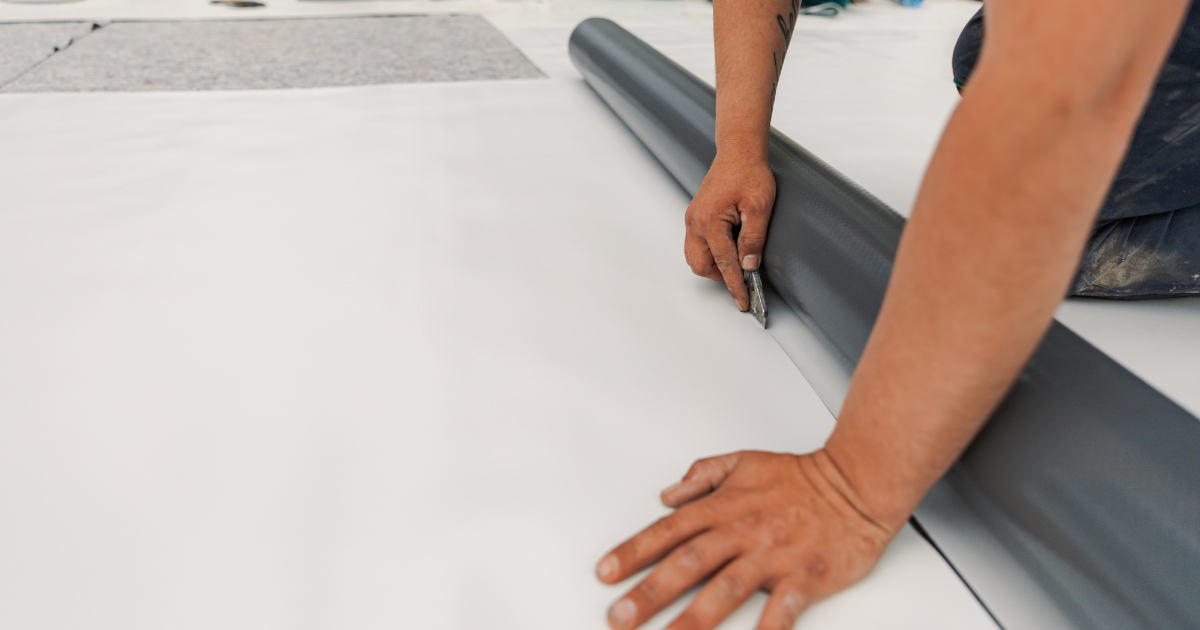
Roofing systems must be installed to exact specifications: seam spacing, fastener type, curing times, slope considerations. Manufacturers will often deny claims if they find evidence of improper installation. Our crews are certified for the systems we install, meaning our work reinforces rather than jeopardizes your warranty protection.
We train your staff on rooftop access protocols
Janitors, HVAC techs, electricians are well-meaning professionals who simply don’t always understand the fragility of membrane roofing. We provide simple instructions for authorized access, protective walk-pads, and “safe walking” routes. We teach what not to do as well: dragging tools, leaning ladders against the membrane, improvising penetrations. The goal is to prevent accidental voiding of coverage due to oversight or ignorance.
We assist with claim support if needed
When something goes wrong, many clients don’t know who to call first – the warranty issuer, the insurer, or the contractor. We act as your advocate, speaking directly with warranty representatives, supplying documentation, and clarifying responsibility. Instead of technical disputes or vague answers, you get straightforward communication and practical next steps. You won’t feel abandoned, and you won’t have to untangle warranty terminology by yourself.
Time and again, we’ve seen that a well-maintained relationship with the warranty provider, along with proper certification on the contractor side, prevents costly disputes later.
Common Questions About Commercial Roof Warranties
What does a commercial roof warranty usually cover?
Material defects, certain installation workmanship errors, and system-related leaks. But it all depends on the warranty type.
What’s the biggest mistake owners make with warranties?
From what we’ve seen with our clients, assuming “full coverage” when exclusions limit real-world protection.
Do warranties cover storm damage?
Usually no – that often falls under property insurance.
Can I transfer a warranty when I sell a building?
In many cases yes, but not always. Some require transfer fees or re-certification – make sure to check that with your warrnaty provider.
How often should my roof be inspected to keep the warranty valid?
Typically once or twice a year, plus after any major weather event.
Does Silicoat Roofing handle warranty paperwork and validation?
Yes – we guide clients through the entire warranty documentation process.
Your Warranty Should Work for You, Not Against You
Choosing the right commercial roof warranty is a technical and a financial decision that determines how protected your building really will be over time. With Silicoat Roofing, you have a partner who knows the fine print, anticipates risks, and supports you not just during installation, but for the roof’s entire lifespan.
If you’d like help reviewing your current warranty (or choosing a new one), contact us. We’ll make sure you’re covered in a way that truly protects your building and your budget.
About the Author
Rick Dodaj is the founder and CEO of Silicoat Roofing, specializing in commercial roofing solutions that protect businesses and their investments. With extensive experience in commercial roofing, Rick leads a team dedicated to providing cost-effective, long-lasting roofing solutions. Connect with him on LinkedIn to learn more about commercial roof maintenance and protection strategies.
 Previous Post
 Next Post