
There’s a version of this story most commercial property owners know too well. You hire a commercial roof coating contractor, brace yourself for the disruption, and end up dealing with exactly what you feared: crew members showing up late (or not at all), debris in the parking lot, tenants or staff complaining. A job that was supposed to take two days somehow becomes a week-long ordeal.
That concern is completely reasonable. When a commercial property owner in Michigan needed a roof coating done on a building that was actively running a business, our crew showed up when they said they would, stayed out of the way of the staff, and left the property cleaner than they found it.
This case study walks through exactly how that outcome happened, why it matters for commercial property owners evaluating their options, and what to look for when choosing a roof restoration contractor who can work around an active business.
If you’re managing a commercial building in Michigan and want to know whether a silicone coating is the right next step for your roof, contact Silicoat Roofing for a free assessment.
What the Client Said, and What It Actually Means
Here is the full review:
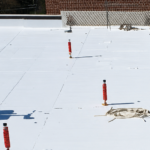
“Silicoat Roofing did an excellent job on my roof! Rick and his crew were on time, communicated well throughout the job and did not interfere with the function of my business! They even cleaned up and left no signs they were there except a nice white sealed roof!!! I highly recommend Rick and Silicoat Roofing! Very professional and just good people!”
Five stars. And every element of that review maps to something concrete about how the project was managed.
Most roofing conversations focus on cost and durability, and while those are the right things to focus on, they’re not the whole picture. For commercial property owners and facility managers running active businesses, the hidden cost of a poorly managed project can be just as significant as the invoice.
This is the part of commercial roofing that rarely shows up in contractor marketing but appears constantly in reviews, referrals, and the conversations building owners have with each other. The technical work matters enormously, like everything around it. So, before getting into what made this particular project work, it helps to understand exactly what the scope involved and why the coating approach was the right call for this building
Roof Coating Without Business Disruption
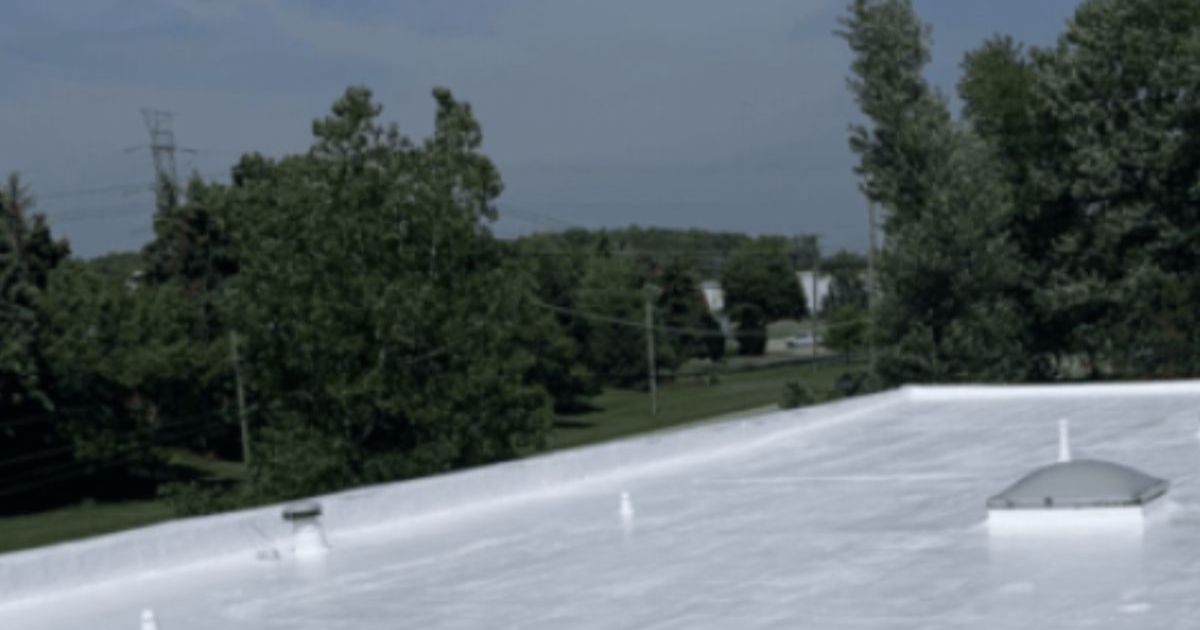
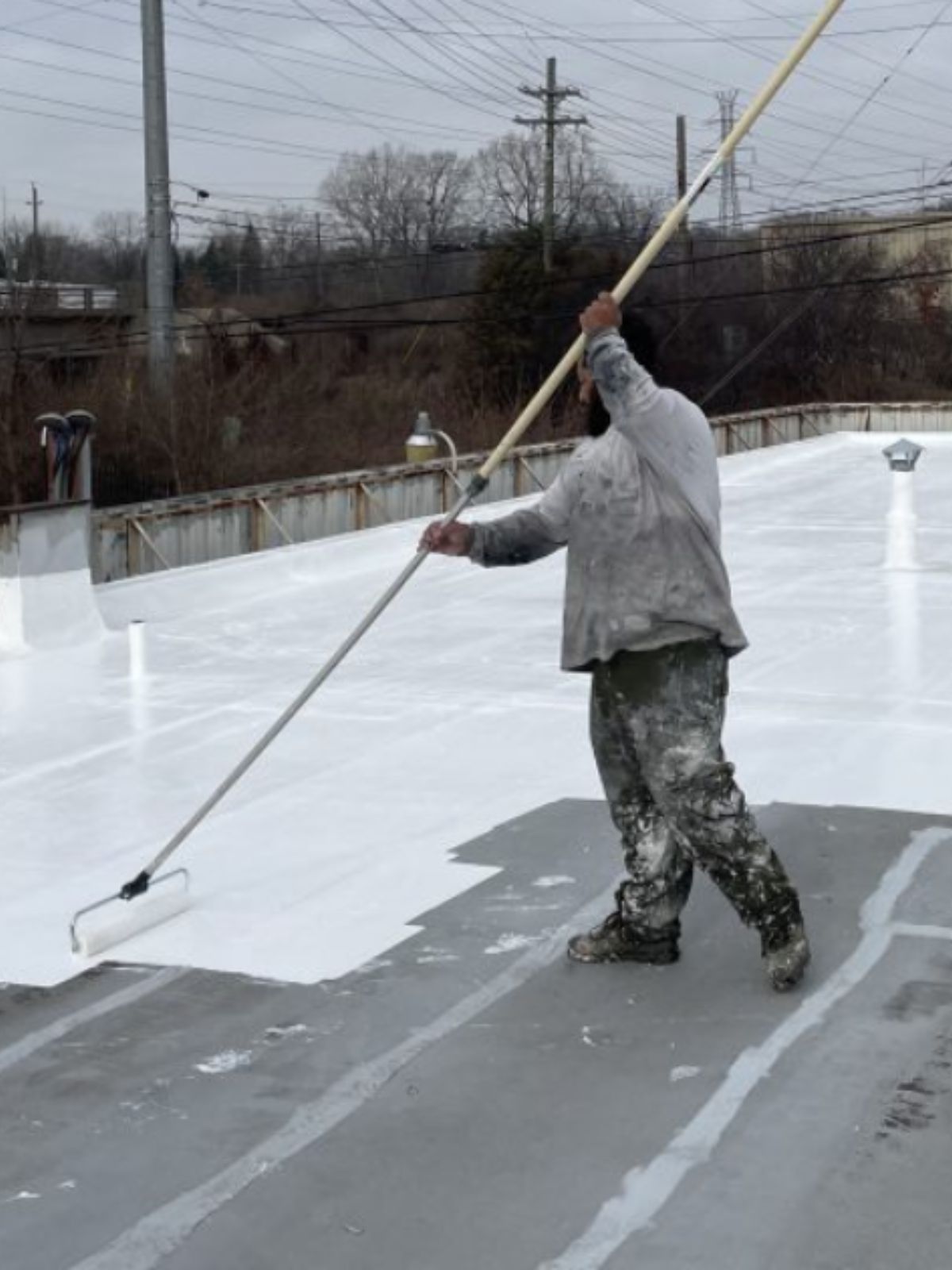
The scope of work on this project was a full silicone roof application on a commercial flat roof. The goal was to seal the existing membrane, apply a white reflective roof coating that would extend the roof’s functional life and reduce heat absorption, and complete the entire job without interfering with the business operating below.
Sealing systems like this one are, by their nature, less invasive than full roof replacements. There’s no tearing off the existing membrane, no heavy structural work, no multi-day exposure of the roof deck to the elements. A silicone coating project involves surface preparation, application, and cleanup. When done correctly, the entire process can typically be completed in one to three days, and the building underneath stays operational throughout.
That’s what roof coating without business disruption actually looks like in practice. Not a promise on a website, but a functioning business running normally while a professional crew works on the roof above it.
Project Snapshot
| Factor | Detail |
|---|---|
| Project type | Full silicone coating on active commercial flat roof |
| Coating finish | White reflective silicone |
| Operational impact | Zero disruption to business operations throughout the project |
| Scheduling | On time, as committed – no delays from start to finish |
| Communication | Consistent throughout – client kept informed at every stage |
| Site cleanup | Lifetime warranty on a qualifying silicone coating system |
| Warranty | Lifetime warranty on qualifying silicone coating system |
Every line in that table reflects a specific commitment Silicoat made and kept. For property owners who have dealt with contractors who made similar commitments and didn’t follow through, that table is worth sitting with for a moment.
If you’re looking for an honest assessment of your commercial property, contact us for a recommendation that actually reflects what your building needs.
How a Commercial Roof Coating Contractor Should Manage an Active Job Site
Technical quality in a silicone roof application starts with surface preparation. The coating bonds to what’s beneath it, so the condition of that surface before any product goes down determines how the coating will perform over the long term.
Silicoat has been applying coatings on commercial properties across Michigan since 2019, working on projects ranging from 1,000 square feet to 400,000 square feet. That breadth of experience shapes how the crew approaches preparation on every job. They know what the surface needs to look like before any coating goes down, and they don’t move to the application phase until it gets there.
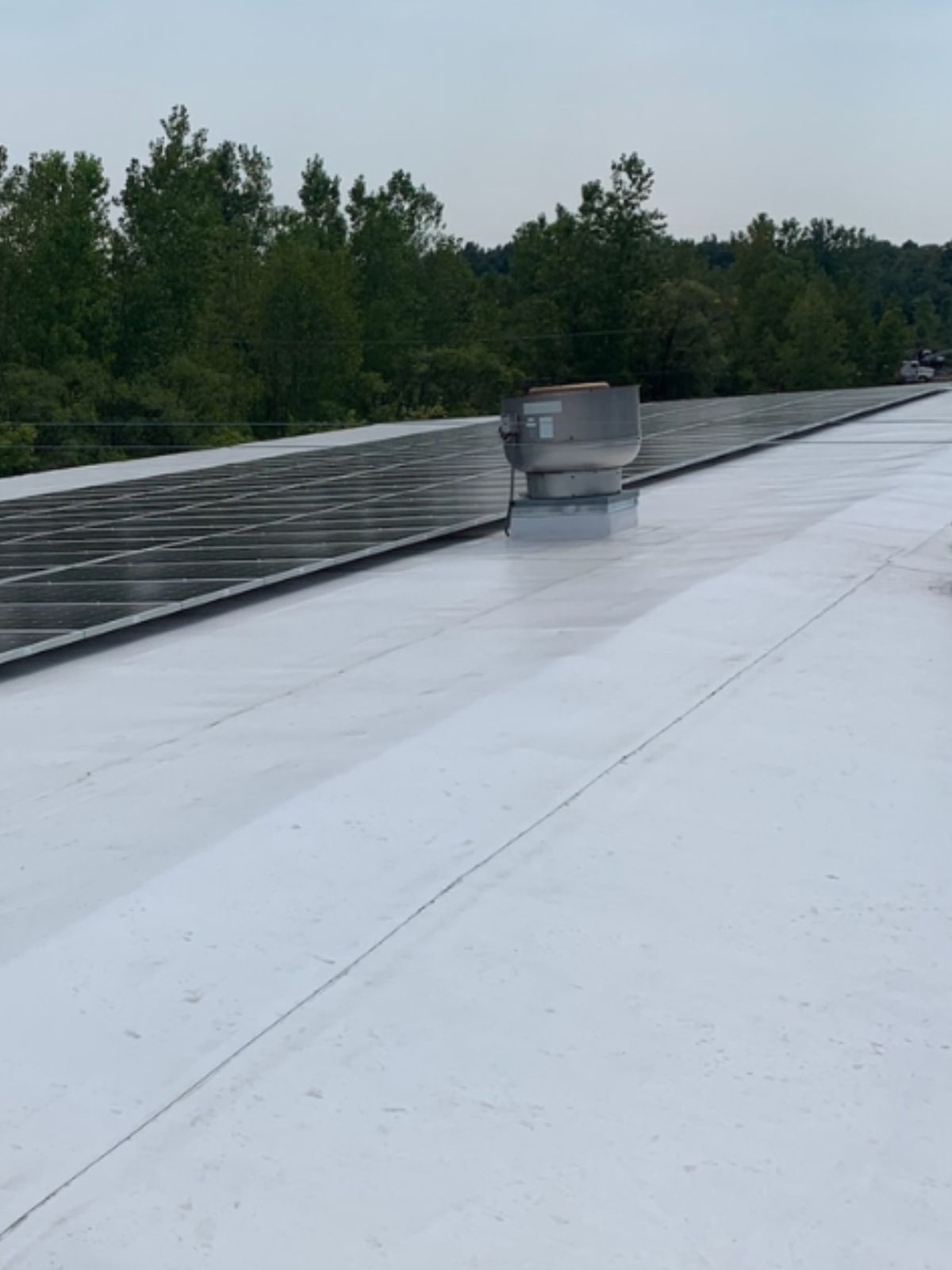
On this project, preparation was followed by application of the white reflective silicone across the full membrane surface, with close attention to seams, penetrations, and low points. These transition areas are where water finds its way through when coverage is uneven or application is thin, so they require particular care. The coating was applied at the correct thickness and coverage rate across the entire roof, not just the flat sections. When the application was complete, the roof had a continuous, sealed, white reflective surface from edge to edge.
Communication Throughout, Not Just at the Start
A lot of contractors communicate at the start, when they’re trying to win the work, and at the end, when the invoice is ready. The middle is where the gaps appear.
On an active commercial property, ongoing communication is an operational need. The property manager needs to know what’s happening above the building so they can answer questions from staff, coordinate access for any other trades or deliveries, and plan around the project schedule. When communication stops mid-project, the property manager is left guessing. That uncertainty creates stress and, sometimes, friction with the people inside the building who want to know what’s going on.
Silicoat kept the client informed throughout. That consistency matters because it means the property owner was never in a position of not knowing what was happening on their own roof.
Staying Out of the Way of the Business Below
This outcome doesn’t happen by accident. It requires the crew to be deliberate about how they position equipment, manage debris, handle access, and time any activities that might create noise or disruption relative to what’s happening inside.
For many clients, this is the variable they’re most anxious about before the project starts. A professional roofing crew on an active property is, by definition, working in someone else’s operational environment, and the best ones never let you forget that they know it.
Throughout this project, the business operated normally. The crew was on the roof. The building below kept running.
“Every job we take on is someone’s building, and that building is supporting their livelihood. The people working inside don’t need to feel disrupted just because we’re on the roof. We plan the job around the business, not the other way around.” – Rick Dodaj, Founder of Silicoat Roofing.
The Cleanup Standard
When the job was finished, the client wrote that Silicoat “cleaned up and left no signs they were there except a nice white sealed roof.” That line captures what a thorough site cleanup looks like on a commercial property.
A clean site at the end of a roofing project isn’t just about removing materials and equipment. It’s about leaving the property in the same condition it was in before the crew arrived, minus the old roof surface. Parking areas clear, entrances unobstructed, no loose material left on the perimeter. On a commercial property where the business was open throughout the project, that standard of cleanup is not cosmetic – it’s part of the service.
What a White Reflective Roof Coating Does for a Commercial Building Over Time
The immediate result of a well-executed coating project is a sealed roof. That’s the baseline. But the performance of a white reflective silicone coating over the years following installation is worth understanding, because it changes how commercial building owners should think about the investment.
Heat Reduction and Energy Performance
A white silicone surface reflects a high proportion of incoming solar radiation, which keeps the roof surface temperature significantly lower on warm days compared to a dark or weathered membrane. According to the U.S. Department of Energy, dark roofing surfaces can reach temperatures of 150°F or more under direct summer sun, while high-reflectivity surfaces under the same conditions may stay 50°F cooler or more.
UV Protection and Membrane Longevity
Every year of UV exposure ages a roofing membrane. For asphalt-based systems like modified bitumen, that aging process causes oxidation, brittleness, and eventually cracking and failure. A silicone coating applied over a sound membrane interrupts that process. The coating takes on the solar exposure instead of the membrane beneath it, and because silicone’s molecular structure is UV-resistant, the membrane underneath is preserved.
Standing Water and Long-Term Waterproofing
Ponding water on flat roofs is one of the most common sources of long-term membrane problems. Most coating materials absorb water over time, which accelerates degradation in those low spots. Silicone doesn’t. It maintains its waterproofing characteristics even in areas where water sits for extended periods after rain.
This makes silicone particularly well-suited to flat and low-slope commercial roofs across Michigan, where spring and fall rainfall can leave standing water on roofs for days at a time.
The 20-year Warranty
Silicoat backs qualifying silicone roof coating systems with a 20-year warranty. That’s possible because Silicoat knows how the work was done, as the warranty is a signal about the process, not just the product.
For commercial property owners comparing roof restoration contractor options, that distinction matters. A shorter warranty on a cheaper installation might look like a better deal on the invoice, but if the coating fails in four years rather than twenty, the math changes considerably.
What to Ask Before Hiring Any Commercial Roof Coating Contractor
The experience documented in this case study isn’t something that happens by accident. It’s the result of a company that has built specific standards around how commercial roof coating projects are managed on active properties. Not every contractor holds those standards, and the differences aren’t always obvious from a quote or a website. The following questions help separate contractors who manage commercial jobs well from those who don’t.
How Long Have They Been Applying Silicone Specifically?
General roofing experience and silicone-specific experience are not the same thing. Silicone has its own preparation requirements, application characteristics, and quality standards. A contractor who has been applying silicone on commercial properties since 2019 across hundreds of projects knows those specifics in a way that a contractor who picked up a silicone product last year does not. Ask directly how long they’ve been applying silicone, and how many commercial silicone projects they’ve completed.
Can They Show You Comparable References?
Not testimonials on their website – actual references from clients with similar building types, roof sizes, and conditions. Call them. Ask whether the project finished on time, whether communication was consistent throughout, and whether the roof has held without issue since the project was completed. A contractor with a real track record across commercial properties will have no hesitation about providing those references.
How Do They Handle Active Commercial Job Sites?
Ask directly. How do they manage debris during the project? How do they handle noise relative to the building’s operations? What is their communication protocol while work is underway? What does their end-of-day cleanup look like? The specificity or vagueness of those answers will tell you a great deal about whether this is a contractor who has thought carefully about working on active commercial properties or one who hasn’t.
What Does the Warranty Actually Cover?
Read it carefully. Some warranties cover the product but exclude labor. Some have maintenance requirements that void coverage if not followed. Ask what’s covered, what’s excluded, what maintenance is required to keep the warranty valid, and what the process looks like if something goes wrong. A legitimate 20-year warranty on a qualifying silicone system should be something the contractor can explain clearly and confidently.
Frequently Asked Questions About Commercial Roof Coating Contractor
Yes. Silicone coating is a restoration process applied over the existing membrane, not a tear-off. It causes no structural disruption to the building below. In the vast majority of commercial projects Silicoat completes, the business operates normally throughout. The client in this case study ran their business without interruption for the full duration of the project.
Most commercial flat roof coating projects are completed within one to three days. Timeline varies based on roof size, surface condition, and the extent of preparation required before coating can be applied. Silicoat provides a clear project schedule before work begins so property managers can plan accordingly without uncertainty.
A white reflective surface bounces solar radiation away from the roof rather than absorbing it, keeping the roof surface temperatures significantly lower on warm days. That cooler surface means less heat enters the building, reducing HVAC load during the cooling season. Silicone also resists UV degradation in a way petroleum-based products do not, making it a longer-lasting choice for flat commercial roofs.
The two factors that matter most are deck integrity and membrane condition. If the structural deck is sound and the membrane has not delaminated or failed at a structural level, a silicone coating system is typically viable. A professional assessment is the most reliable way to confirm. Silicoat provides free inspections for commercial properties across Michigan with no commitment required.
The warranty applies to qualifying silicone roof coating installations where preparation and application meet Silicoat’s standards. It reflects confidence in the process, not just the product. Coverage terms, maintenance requirements, and any applicable conditions are reviewed with each client during the assessment and project planning process.
A silicone coating is applied over the existing membrane, sealing and protecting it without removing the existing system. A full replacement involves stripping the old membrane and installing a new one from scratch. Coating is the right choice when the deck and membrane are structurally sound. Replacement is necessary when the deck itself is compromised. Coating is substantially less expensive and less disruptive when the underlying structure supports it.
Silicone does not absorb water and maintains its waterproofing performance even in areas where standing water collects regularly. Most other coating materials degrade faster in ponding water conditions. This resistance to standing water is one of the primary reasons silicone is the preferred choice for flat and low-slope commercial roofs, which frequently accumulate water in low points after rainfall.
The Bottom Line
The story documented in this commercial roof coating case study is straightforward. A commercial property owner needed a roof coating completed professionally, on schedule, on an active business property. They needed a contractor who would show up when promised, communicate consistently, stay out of the way of the business below, do the technical work correctly, and leave the property clean.
Silicoat Roofing did all of that. The result was a fully sealed, white reflective silicone roof and a client who recommended the company without hesitation because the experience matched what was promised from start to finish.
That standard applies to every commercial roof coating project Silicoat takes on, from small retail properties to large industrial facilities across Michigan. The technical quality of the silicone application matters, and Silicoat’s preparation and application standards are consistent regardless of project size. But the professionalism around the work, the punctuality, the communication, the site conduct, and the cleanup are what determine whether a client walks away with a roof that performs and an experience worth recommending.
Silicoat Roofing offers free professional assessments for commercial properties across Michigan. The assessment is honest, the recommendation reflects what your building actually needs, and there’s no commitment required to get a straight answer about where your roof stands.
Ready to find out what a professional commercial roof coating project looks like for your building? Contact us today to schedule your free assessment.
About the Author
Rick Dodaj is the founder and CEO of Silicoat Roofing, specializing in commercial roofing solutions that protect businesses and their investments. With extensive experience in commercial roofing, Rick leads a team dedicated to providing cost-effective, long-lasting roofing solutions.
 Previous Post
 Next Post