

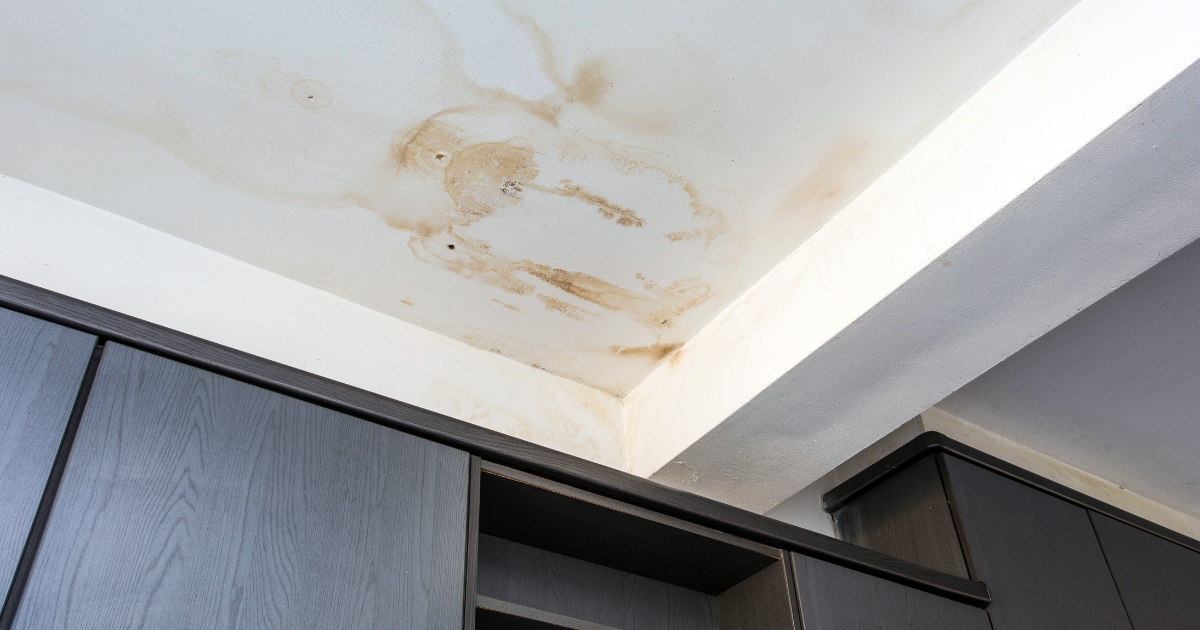
A roof leak has a way of cutting through routines. One moment, the building is operating as usual – the next, water is dripping onto finished interiors, tenants are calling, and someone is asking whether insurance will cover what just happened.
For many commercial building owners and facility managers, the pressure is immediate and layered. You need to stop the leak fast. You need to protect occupants and assets. And at the same time, you are wondering how those emergency commercial roof repairs will affect a roof leak insurance claim.
That uncertainty often causes hesitation. Some owners delay action, worried that touching the roof could complicate insurance. Others move quickly but without documentation, assuming coverage will sort itself out later.
In reality, the key is not avoiding emergency repairs, it is responding in a way that protects both the building and the claim.
If you are dealing with an active leak or recent storm damage, keep reading to learn how to stabilize roofs quickly while documenting emergency repairs correctly so insurance reviews move forward with fewer obstacles.
Roof Leak Insurance Claims Start With Immediate Decisions
Once water enters a commercial building, damage can accelerate quickly. Ceiling systems, insulation, electrical components, and tenant spaces are all vulnerable.
Why the First Hours After a Roof Leak Matter
Insurers recognize the urgent nature of roof leaks, and most commercial property policies require owners to take reasonable steps to prevent further damage. These mitigating damage requirements are not optional – they are a core condition of coverage.
That creates an important shift in perspective. Emergency roof repairs are not something insurers discourage: they are something they actually expect.
The Tension Facility Managers Face During an Active Leak
What usually causes problems is not the act of repairing the roof. It is waiting too long, choosing inappropriate temporary solutions, or failing to document what was done and why.
For facility managers, this moment often comes with competing voices: maintenance teams want immediate access, ownership wants to avoid mistakes, tenants want reassurance, insurance questions hover over every decision…
We understand that it can be overwhelming, but in that moment, it’s important to stay focused. The goal in these early hours is balance, so you need to stop active water intrusion without permanently altering conditions before the cause of loss is understood. That balance sets the tone for the entire insurance claim after a roof leak.
Once immediate action is taken, the next challenge becomes understanding what the policy is likely to cover.
What Roof Leak Insurance Coverage Usually Includes and Excludes
This topic is rarely as simple as many owners hope. Policies are designed to cover sudden and accidental damage, not gradual deterioration.
How Insurers Determine the Cause of a Roof Leak
In commercial roofing claims, insurers often focus first on the cause of the leak. Storm damage roof insurance typically applies when wind, hail, or severe weather creates a new opening or failure. Torn membranes, punctures from debris, or displaced flashing often fall into this category.
On the other hand, leaks caused by long-term wear, deferred maintenance, or aging materials are frequently excluded. If water entered through an area that had been failing over time, insurers may deny coverage even if the leak appeared suddenly.
This distinction can feel frustrating, especially when damage looks severe. From an insurance standpoint, however, the source matters more than the result.
Temporary roof repair insurance coverage is another area that creates confusion. Most policies allow reasonable temporary repairs to prevent additional damage. What they do not cover is permanent roof restoration before an adjuster has the opportunity to inspect, unless authorization is given.
Roof leak liability also enters the picture in multi-tenant or shared ownership buildings. If a delayed response leads to interior damage or business interruption, owners may face exposure beyond the roof itself.
Understanding these boundaries early helps avoid assumptions and underscores why the method and documentation of emergency roof repairs carry so much weight in claim evaluations.
Once coverage parameters are clearer, attention turns to how emergency repairs influence the inspection and adjustment process.
Emergency Roof Repairs and Their Impact on Insurance Claims
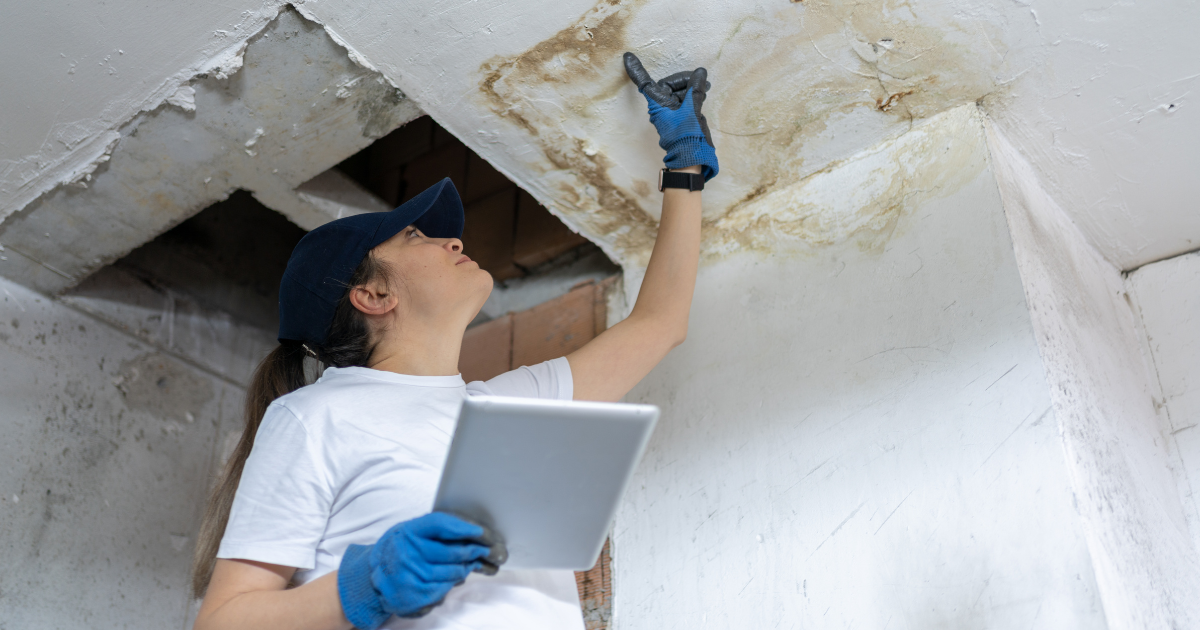
Emergency roof repairs serve an essential purpose: they stop active leaks, protect interior spaces, and limit secondary damage. From an insurance perspective, they demonstrate compliance with mitigating damage requirements.
However, not all emergency repairs are viewed equally.
Temporary vs Permanent Roof Repairs and Why the Difference Matters
This is one of the most common points of misunderstanding. Temporary repairs are meant to stabilize conditions without altering evidence of the original failure. Tarps, sealant patches, or temporary coverings often fall into this category when applied appropriately.
Problems arise when emergency repairs become permanent fixes too early. Removing damaged materials, installing new membranes, or altering drainage systems before an insurance adjuster roof inspection can complicate claim evaluation. Adjusters rely on seeing failure points, not just finished surfaces.
But remember: this does not mean owners should leave roofs exposed – it means repairs should be deliberate and documented.
What Insurance Adjusters Look for During Roof Inspections
A big factor insurers consider is workmanship. Poorly executed emergency roof repairs that fail again can raise questions about whether damage was truly unavoidable. In some cases, they may argue that additional losses resulted from an inadequate response rather than the original event.
That is why experienced commercial roof leak response matters. Professionals understand how to stabilize a roof without obscuring the cause of loss.
For many building owners, this is where stress peaks. You are trying to do the right thing, but every decision feels like it carries insurance consequences – but the good news is that documentation often matters more than perfection.
Emergency Roof Repair Documentation That Protects Your Claim
Insurance claims succeed or fail on paper as much as they do on the roof. Emergency roof repair documentation provides the narrative adjusters rely on to understand what happened, when it happened, and how the property owner responded.
Photos, Timelines, and Written Descriptions That Insurers Rely On
Strong documentation usually includes time-stamped photos of the leak before repairs begin, showing interior damage and roof conditions. These images help establish the sequence of events and support storm damage roof insurance claims when applicable.
Written descriptions matter as well: notes explaining weather conditions, observed damage, and immediate risks give context to the photos. Invoices and work orders should clearly label repairs as temporary or emergency in nature.
Commercial roof leak response records should also show timing. Insurers look favorably on prompt action taken within hours or days, not weeks. Delays often raise questions about preventability.
One overlooked detail is material tracking. Listing the products used for temporary repairs helps adjusters understand what was done and whether it altered underlying conditions.
This level of documentation not only supports coverage, but also reduces back-and-forth with insurance adjusters and speeds up claim resolution.
However, we know that for many facility managers, assembling this information while managing an active leak feels overwhelming. That is where working with a roofing partner who understands insurance processes can make the difference.
Once documentation is in place, the focus shifts from emergency response to long-term solutions.
How Silicoat Roofing Supports Insurance-Smart Emergency Repairs
Emergencies demand speed, but they also require good judgment. Silicoat Roofing approaches emergency roof repairs with both in mind.
Stabilizing the Roof Without Compromising the Claim
The first priority is stabilization: stopping active leaks protects occupants, equipment, and interiors. At the same time, Silicoat Roofing distinguishes clearly between temporary measures and permanent solutions, so insurance adjusters can evaluate the original damage accurately.
Built-In Documentation That Supports Insurance Review
Documentation is built into the process: photos, timelines, and repair descriptions are gathered as work happens, not reconstructed later. This supports insurance claims after roof leak reviews and reduces uncertainty for all parties involved.
Planning the Next Step After the Emergency Phase
We also help clients think beyond the immediate fix. Emergency repairs are often a signal that a roof system needs evaluation. In some cases, a silicone roof coating system can extend roof life and reduce future leak risk once insurance matters are resolved.
“When a roof leak happens, the goal isn’t just stopping water. It’s protecting the building, the insurance claim, and the long-term integrity of the roof system. The right emergency response does all three.” – Rick Dodaj, Founder of Silicaot Roofing.
This approach makes emergency situations more manageable. Instead of reacting blindly, owners gain a clear path from leak response to claim support to long-term planning.
Frequently Asked Questions About Roof Leak Insurance Claims
Does emergency roof repair affect a roof leak insurance claim?
Yes. Insurers expect prompt action to prevent further damage. Emergency repairs typically support a claim when documented properly.
Will insurance cover temporary roof repairs?
Most policies allow reasonable temporary repairs as part of mitigating damage requirements, though coverage varies by policy.
What documentation is required for a roof leak insurance claim?
Photos, repair invoices, timelines, and notes explaining weather conditions and observed damage are commonly required.
How soon should emergency roof repairs be made after a leak?
As soon as safely possible. Delays can increase damage and raise coverage questions.
Can permanent repairs be completed before an adjuster inspection?
Permanent repairs should generally wait until after inspection unless the insurer provides authorization.
What happens if damage worsens due to delayed repairs?
Insurers may limit coverage if they determine additional damage could have been prevented with timely action.
Moving From Emergency to Confidence
A leak will disrupt operations, raise financial questions, and put pressure on decision-makers. But it does not have to derail your insurance outcome.
A roof leak insurance claim is shaped by early actions, clear documentation, and informed repair decisions. Emergency roof repairs, when handled correctly, protect more than the building – they protect your position with insurers.
If your commercial property is facing an active leak or recent storm damage, Silicoat Roofing can help you respond quickly, document repairs properly, and move forward with confidence. Contact us to discuss your situation and learn what the next right step looks like.
About the Author
Rick Dodaj is the founder and CEO of Silicoat Roofing, specializing in commercial roofing solutions that protect businesses and their investments. With extensive experience in commercial roofing, Rick leads a team dedicated to providing cost-effective, long-lasting roofing solutions. Connect with him on LinkedIn to learn more about commercial roof maintenance and protection strategies.
 Previous Post