

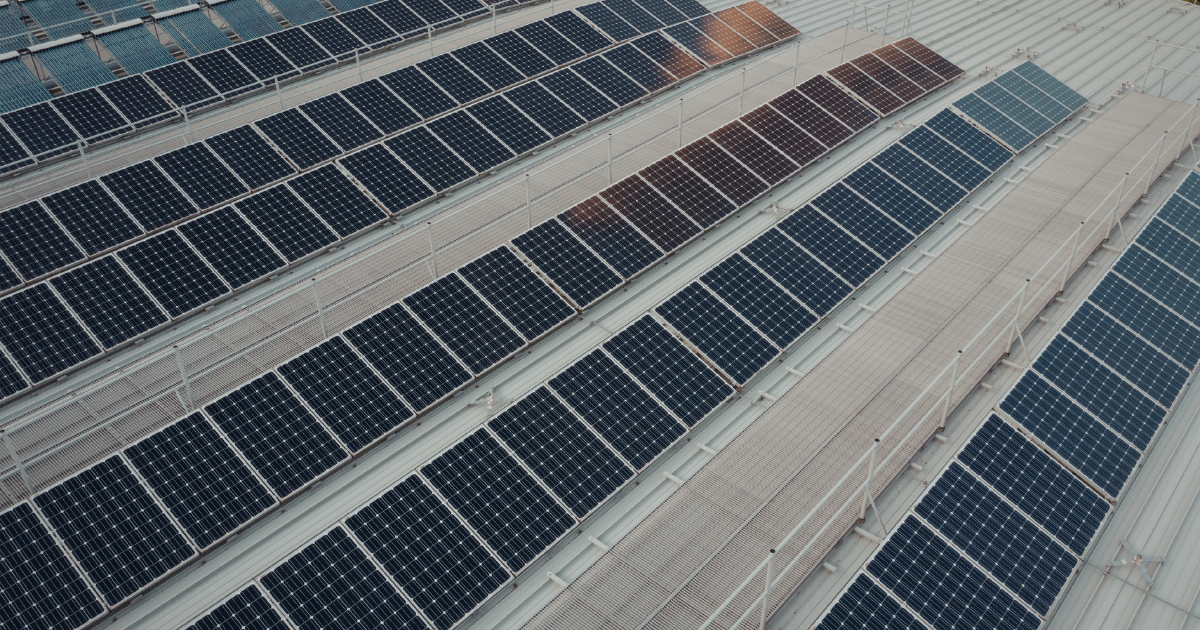
Solar panels are one of the smartest long-term upgrades a commercial building can make. And once it gets approved, the next question comes fast:
Is our roof actually ready for this?
And more specifically, what kind of roof coating for solar panels is going to protect everything underneath it?
It’s not that solar is a bad idea, it’s just that roofs are complicated – and for many facility managers, confidence starts to wobble, because once panels are in place, the roof becomes harder to access, harder to inspect, and harder to repair and maintain.
That is why this decision matters.
If you want the clearest path forward, Silicoat Roofing can help you evaluate your existing roof system, confirm coating compatibility, and plan a solar-ready solution that protects both the roof and the investment. (And yes, we can do that before the solar crew ever steps on your building.)
Let’s break this down in a way that’s practical, honest, and easy to act on.
Roof Coating for Solar Panels Starts With Compatibility
If you’ve been researching coatings for solar projects, you’ve probably noticed the same two materials showing up again and again. Silicone gets praised for waterproofing, while PVC gets brought up because so many commercial roofs already use it. And at first glance, it feels like the decision is simply choosing one or the other.
The “PVC vs silicone” debate gets a lot of attention, but it’s not where the real decision begins. The real starting point is: What does your roof system allow?
Commercial roofs don’t behave like one single surface, and solar adds stress to all of it. Not necessarily structural overload (although that should always be verified), but stress in the day-to-day realities of roof performance.
Roof coatings under solar arrays behave differently
A coating that performs perfectly in open exposure might not behave the same way once it’s partially shaded and harder to maintain.
For example:
- Debris can collect beneath panels and stay there
- Ponding water may appear around mounts or walk paths
- Shaded coatings can stay damp longer after rain
- If a coating surface is too slick, safety becomes a real concern
The bottom line is that solar creates conditions where small issues become hard to see, and harder to resolve quickly. So the best coating choice is the one that still works well when access is limited.
Membrane compatibility with solar racking isn’t optional
Solar projects involve more than panels and wiring. Racking systems interact with the roof in ways that can either protect the assembly or create ongoing risk.
That’s why membrane compatibility with solar racking matters so much.
Some racking installs are ballasted, meaning they rely on weight rather than penetrations. Others are attached – there are anchor points that interact with the roof system. Even if the solar installer is doing their job well, roof compatibility still needs to be confirmed.
A roof coating has to support:
- High traffic during the solar build
- Long-term access for panel cleaning or electrical repair
- Waterproofing performance in shaded conditions
- Flashing and detailing that won’t break down around mounting points
At Silicoat Roofing, compatibility comes first because it prevents the most expensive kind of problem: the kind that shows up after installation, when you’re boxed in by racking and timelines.
And once you understand compatibility, the next step is comparing the materials that most building owners ask about first.
Silicone Roof Coating Solar Performance
If you’ve researched solar roof protection at all, you’ve probably heard silicone mentioned early and often.
There’s a reason for that. But the key is knowing when silicone is the right solution, and when it can create drawbacks you don’t want under a solar array.
Why silicone is a favorite for rooftop solar waterproofing
One of the biggest reasons facility teams lean toward silicone is simple: It handles moisture well.
Silicone systems are often chosen for preventing water damage because they can perform in conditions that defeat other coatings. This matters because commercial roofs are rarely perfect slopes.
Silicone can help provide an added protective layer in environments where ponding water is difficult to eliminate completely.
It also offers benefits like:
- Strong weathering resistance
- UV resistance
- Reduced cracking compared to coatings that become brittle
- Performance consistency over time when applied correctly
That said, silicone is not a shortcut – it’s a system.
Reflective roof coatings for solar efficiency
You will also hear a lot about reflectivity, especially when solar enters the conversation. And there’s a reason reflective roof coatings for solar efficiency gets searched so often:
They may reduce surface temperatures, which can reduce thermal stress on the roof assembly. In some cases, this can also support a cooler rooftop environment that benefits overall building performance.
For solar panels, reflectivity wins is in durability and reduced heat cycling. A roof that stays cooler often experiences less expansion and contraction stress. That can support longer service life, especially under the fixed footprint of a solar array.
Silicone can be excellent, but it’s not always the best fit for every membrane or warranty situation. That’s where the PVC question enters the picture.
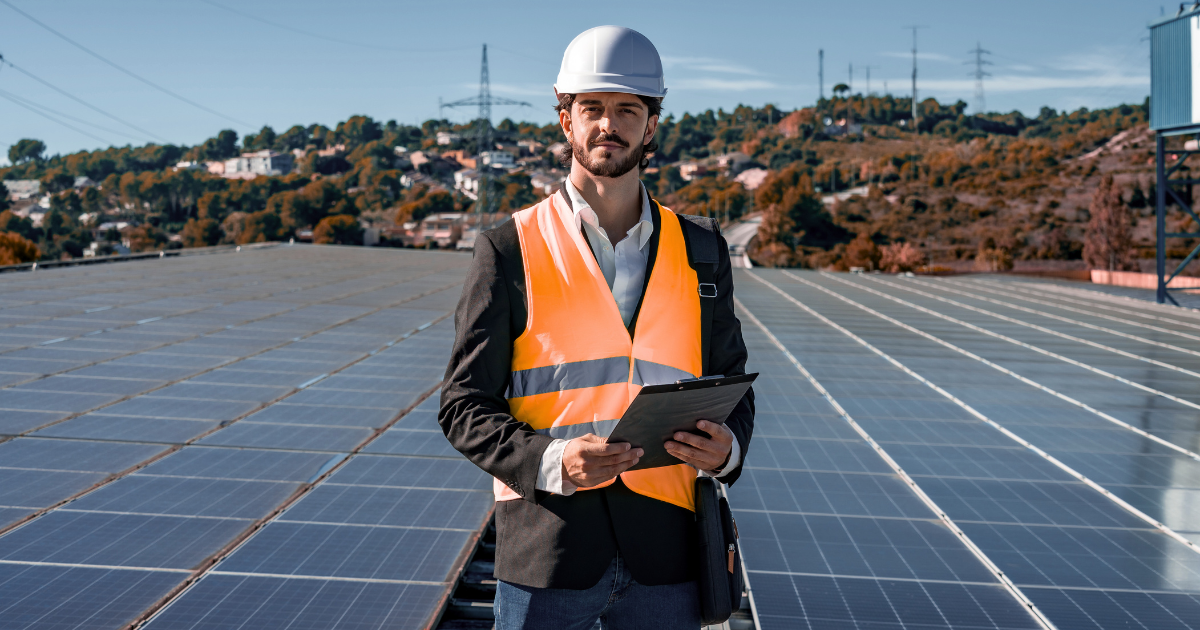
PVC Roof Coating Compatibility and What Facility Teams Need to Know
PVC roofs are widely used in commercial buildings for many reasons: they’re durable, they resist chemicals in many environments, and they offer strong seam performance when installed properly.
But PVC systems come with their own rules, especially when coatings and solar enter the equation.
What makes PVC different from silicone systems
One common misunderstanding is thinking that silicone and PVC are “competing coatings” when in reality, they are very different categories of materials.
Silicone is typically a coating system applied over a roof substrate, while PVC is a membrane roof system with welded seams.
It’s not always apples-to-apples – that’s why comparisons can get confusing.
PVC roof coating compatibility with existing membranes
This is where PVC roof coating compatibility becomes a legitimate concern.
Some roof coatings bond well to certain substrates and poorly to others. PVC membranes can be especially sensitive when it comes to what is applied over them.
Facility managers are often in a tough spot here because the roof might look “fine,” but the warranty language might restrict what you can do next.
Key compatibility questions include:
- Is the PVC aged and chalking?
- Are seams intact and welds sound?
- Has the roof been repaired with mixed materials over time?
- Are there existing coatings already on the roof?
- What does the manufacturer allow for roof restoration?
This is exactly why Silicoat Roofing approaches solar roof prep with inspection first. Compatibility problems are much cheaper to solve before the solar schedule gets locked.
Challenges facility managers don’t expect with PVC and solar
These two systems can absolutely work together. But the issues show up when teams underestimate the long-term reality.
Some of the main challenges include:
- Repairs might require partial racking removal depending on layout
- Seam inspections can become difficult under tightly packed arrays
- Manufacturer documentation may be required to keep warranty compliance
- Long-term leak responsibility can become unclear between trades
The good news is that these problems are preventable when roofing and solar planning happen together.
That leads us to the real answer: the best path is not blindly choosing silicone or PVC, but choosing a system designed to support solar from day one.
Solar-Ready Roof Coatings That Protect the Roof and the Investment
The most successful commercial solar projects have one thing in common: they treat the roof as the foundation of the investment, not an afterthought.
Because in the end, solar doesn’t replace roofing responsibility – it makes it more important.
What “solar-ready roof coatings” really means
A roof coating is solar-ready when it is:
- Compatible with the existing roof membrane or substrate
- Installed with the solar racking footprint in mind
- Detailed to protect penetrations, terminations, and vulnerable transitions
- Designed to remain serviceable even after solar reduces access
The coating is only part of the system. The planning is what makes it “solar-ready.”
Commercial solar roof protection is about long-term serviceability
Solar is a long-term play. That means your roof must stay maintainable for years. This is what commercial solar roof protection actually looks like in the real world:
- Walk paths that keep technicians off vulnerable zones
- Drain access that stays open and visible
- Coating details that can tolerate service traffic
- A plan for how repairs will be handled without chaos
This is where Silicoat Roofing helps remove stress from the project. We know what happens after install, not just during it.
Let’s turn all of this information into something easy to compare.
Silicone vs PVC Roof Coating Decision Guide for Solar Projects
So here’s a facility-friendly guide to help you choose the right approach if you’re responsible for the roof and the solar timeline:
Quick comparison table for solar projects
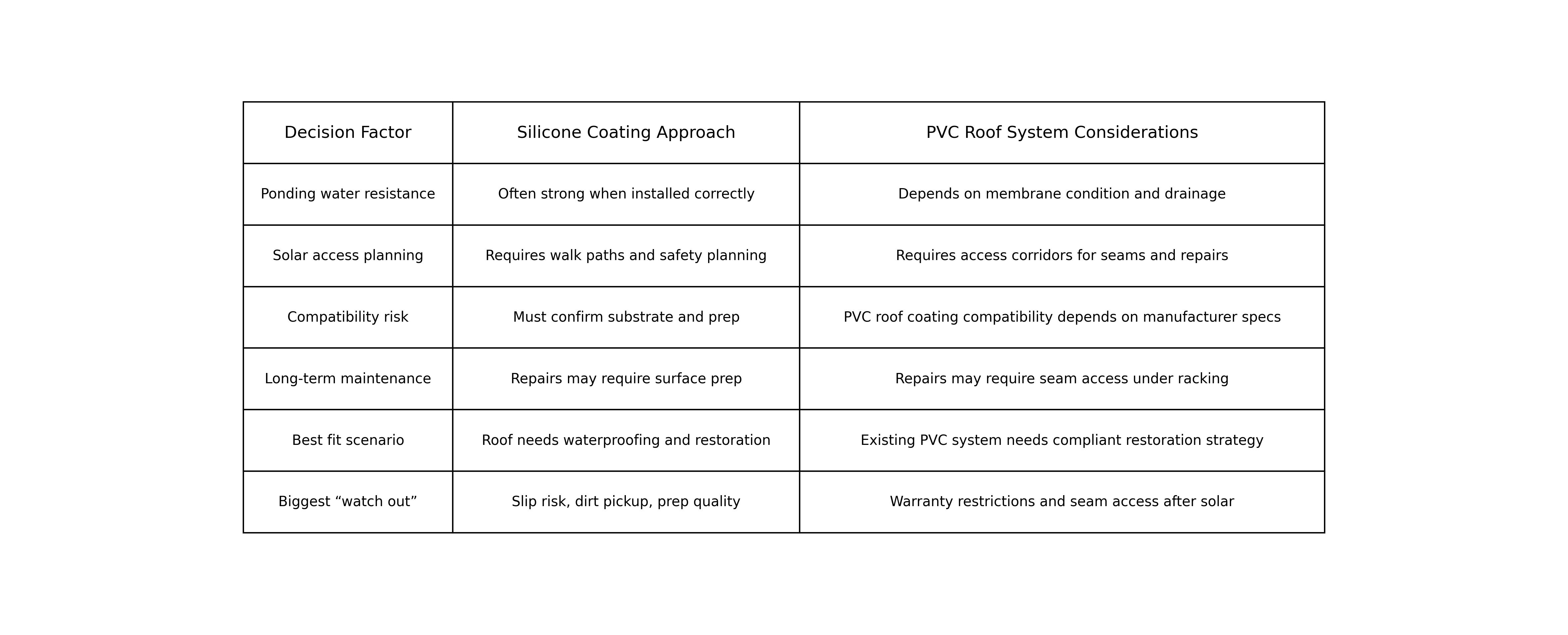
Remember: solar projects force roofs to perform differently. That means the smartest plan is the one that stays maintainable after the panels go up.
When to bring in Silicoat Roofing
Most roofing mistakes under solar are caused by rushed decisions and missing information, so this is where having the right partner changes everything.
“Solar installs don’t fail because panels stop working. They fail when the roof underneath becomes hard to service or starts leaking. Our job is to make sure the roof system stays protected and maintainable long after the install.” – Rick Dodaj, Founder of Silicoat Roofing.
We help facility teams by providing:
- Roof system evaluation and compatibility review
- Restoration recommendations based on roof type and condition
- Coating system planning under solar racking footprint
- Detailing strategy for vulnerable transitions and penetrations
- A long-term maintenance plan that still works post-install
FAQ About Roof Coating for Solar Panels
What is the best roof coating for solar panels on a flat roof?
The best roof coating depends on your existing roof membrane, drainage conditions, and solar racking design. Silicone may work well in moisture-prone areas, while PVC systems require strict compatibility planning.
Can you apply a silicone roof coating under solar panels?
Yes, but roof coatings under solar arrays must be planned for long-term access, walk paths, and waterproof detailing. Silicone can perform well when installed and maintained correctly.
Is PVC roof coating compatibility an issue with solar racking systems?
It can be. PVC roof coating compatibility depends on the existing membrane condition and what the manufacturer allows. Always verify system requirements before applying any restoration product.
Should I coat my roof before installing solar panels?
In many cases, yes. Coating first allows full access for prep and detailing. It also helps ensure the roof is stable before solar reduces access to repairs and inspections.
Do reflective roof coatings for solar efficiency increase energy output?
Reflective coatings may reduce rooftop temperatures and thermal stress. They can support roof longevity, but solar output is influenced more by panel design, airflow, and heat around the modules.
Will roof coatings under solar arrays make repairs harder later?
They can, depending on solar layout. That’s why service corridors and access planning are essential, especially when solar racking covers a large portion of the roof.
How do I prevent leaks around solar penetrations and mounts?
Leak prevention depends on proper detailing, compatible flashing methods, and coordinated work between roofing and solar teams. This is where rooftop solar waterproofing strategy matters most.
How long does a roof coating last under a solar array?
That depends on the coating system, installation quality, and maintenance schedule. Coatings under solar can last well, but they require planning for inspections and service limitations.
Choosing the Right Roof Coating for Solar Panels
Solar is a major step forward for your facility. It can reduce operating costs, improve building value, and support long-term sustainability goals.
But the roof underneath that solar system still has one job: Protect everything below it.
Choosing the right roof coating for solar panels is not just about picking silicone or PVC. It’s about making sure the roof stays compatible, serviceable, and watertight long after the project is complete.
If you want help making the smartest choice for your building, Silicoat Roofing is ready.
Contact us today to schedule a roof and solar compatibility assessment and get a coating plan built for long-term performance.
About the Author
Rick Dodaj is the founder and CEO of Silicoat Roofing, specializing in commercial roofing solutions that protect businesses and their investments. With extensive experience in commercial roofing, Rick leads a team dedicated to providing cost-effective, long-lasting roofing solutions. Connect with him on LinkedIn to learn more about commercial roof maintenance and protection strategies.
 Previous Post
 Next Post