

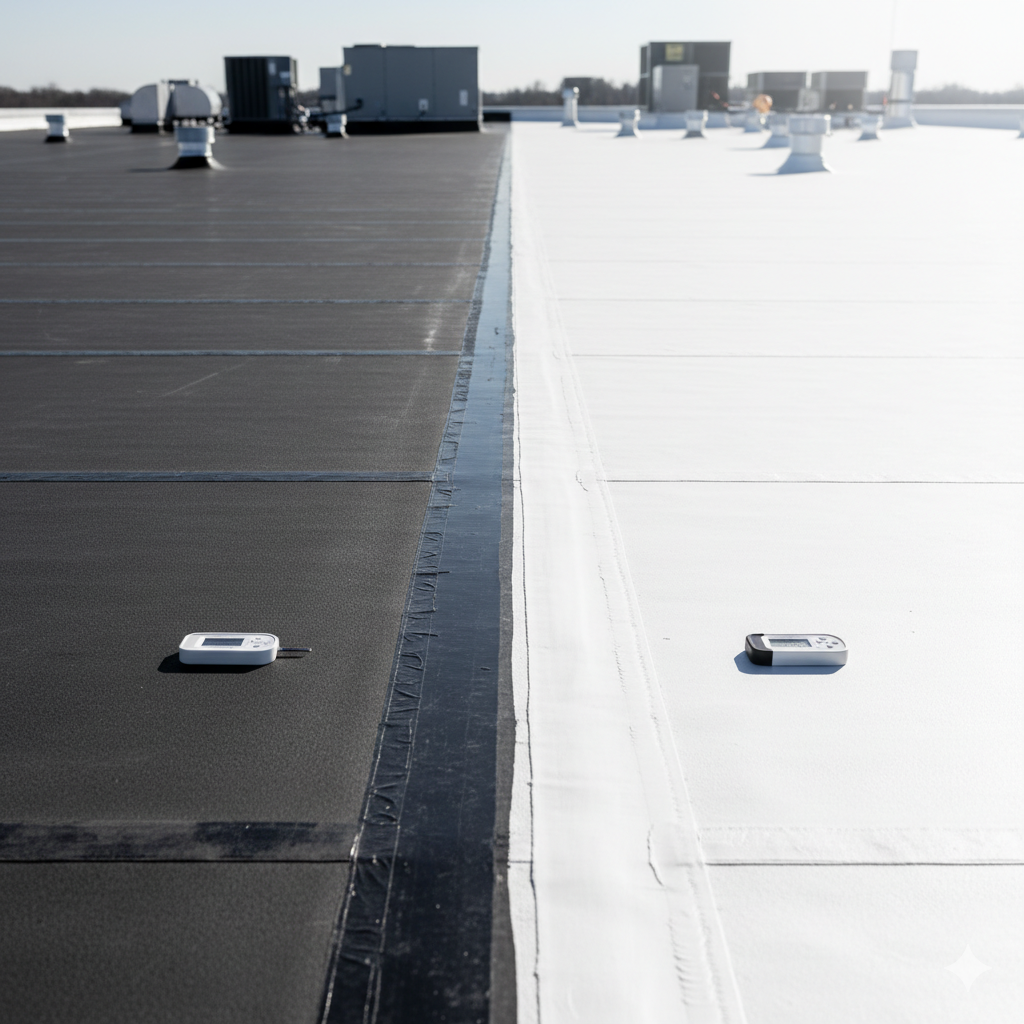
When it comes to commercial roofing, two single-ply systems dominate the conversation: EPDM and TPO. Both have proven performance records, but each offers distinct advantages depending on your building’s climate, energy demands, and maintenance priorities. The challenge for building owners is knowing which membrane truly delivers the best long-term value.
At Silicoat Roofing, we’ve helped hundreds of property managers make that decision through data-driven assessments and hands-on installation experience. Let’s break down how these two membranes perform in the real world and how you can make the right investment for your building.
Understanding the Basics
Before comparing EPDM and TPO, it’s important to understand how each membrane is designed and why they’ve become leading choices for commercial roofing. Both materials offer unique strengths from flexibility and weather resistance to reflectivity and energy performance but their chemistry and installation methods differ significantly.
What Is EPDM Roofing?
EPDM (Ethylene Propylene Diene Monomer) is a synthetic rubber roofing membrane that’s been a commercial roofing standard for over 50 years. It’s known for its durability, flexibility, and resistance to UV and ozone.
EPDM is available in large rolls, usually in black or white, and can be adhered, ballasted, or mechanically attached to the roof substrate. Because it’s been tested for decades in North American climates, it’s a dependable choice for building owners who value longevity.
This material is especially popular for industrial facilities and warehouses that need a cost-effective, weather-resistant roof with minimal upkeep. Its ability to expand and contract without cracking makes it well-suited for buildings with significant temperature swings.
What Is TPO Roofing?
TPO (Thermoplastic Polyolefin) is a single-ply membrane made of polypropylene and ethylene-propylene rubber. It’s the newer option on the market but has quickly gained traction due to its energy-saving properties and reflective white surface.
TPO seams are heat-welded, not glued, creating a watertight bond that’s more resistant to leaks. It’s also highly resistant to punctures and tears, making it ideal for commercial roofs that experience frequent foot traffic or equipment maintenance.
Because of its cool roof properties, TPO is often used in buildings where energy efficiency and sustainability are key priorities such as office complexes, healthcare centers, and retail chains.
Cost, Installation, and Maintenance: The Practical View
Choosing between EPDM and TPO roofing isn’t just about the material, it’s about understanding how each system performs over its lifetime. Factors like installation complexity, repair frequency, and energy savings all play a role in long-term value. At Silicoat Roofing, we help clients evaluate not only initial costs but also how maintenance and performance impact ROI over decades of use.
Cost Differences
While material pricing fluctuates, EPDM generally costs slightly less than TPO per square foot. However, that can vary depending on insulation type, installation method, and building design. The real difference emerges when considering total cost of ownership.
- EPDM: Lower material cost but may require adhesive seams, which are more labor-intensive.
- TPO: Slightly higher material cost but faster installation because of heat-welded seams.
Our commercial roof installation service includes a transparent cost comparison so clients can see not just the upfront expense, but the long-term ROI based on lifespan and maintenance.
Installation Complexity
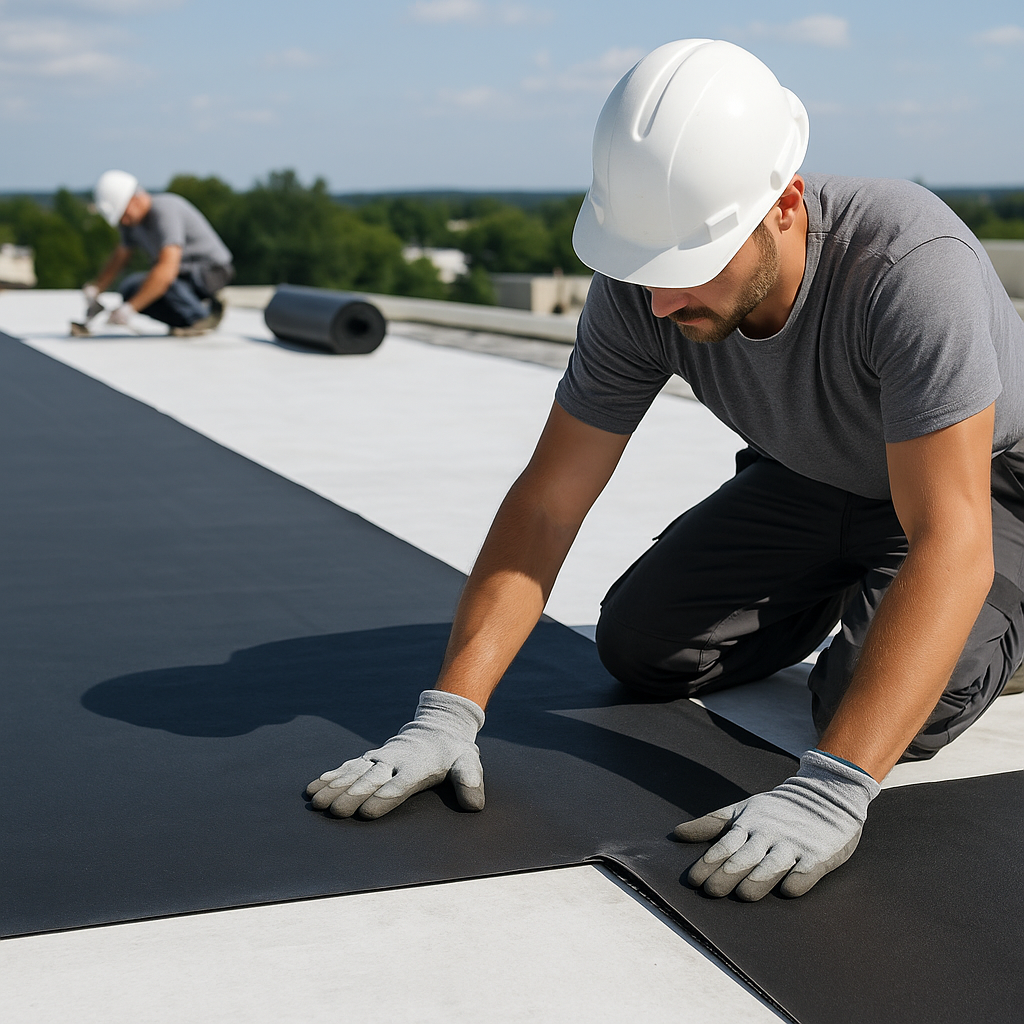
EPDM is easier to repair in small sections, but it requires more precision during installation because seams depend on adhesive bonding. TPO’s welded seams create stronger waterproofing, but only if done correctly with specialized equipment.
This is why professional installation is critical. Our roof replacement team uses manufacturer-approved techniques to ensure consistent seam welding, membrane adhesion, and flashing integrity for both systems.
Maintenance Requirements
Both membranes require regular inspections, but maintenance frequency differs:
- EPDM membranes may develop surface chalking or seam loosening over time. Simple patch repairs can extend the life of the roof for decades.
- TPO roofs perform extremely well early on but can degrade faster if exposed to high, continuous heat without proper ventilation.
To maintain either system’s performance, we recommend biannual checkups through our roof maintenance covering inspections, cleaning, and preventive repairs.
Durability and Lifespan
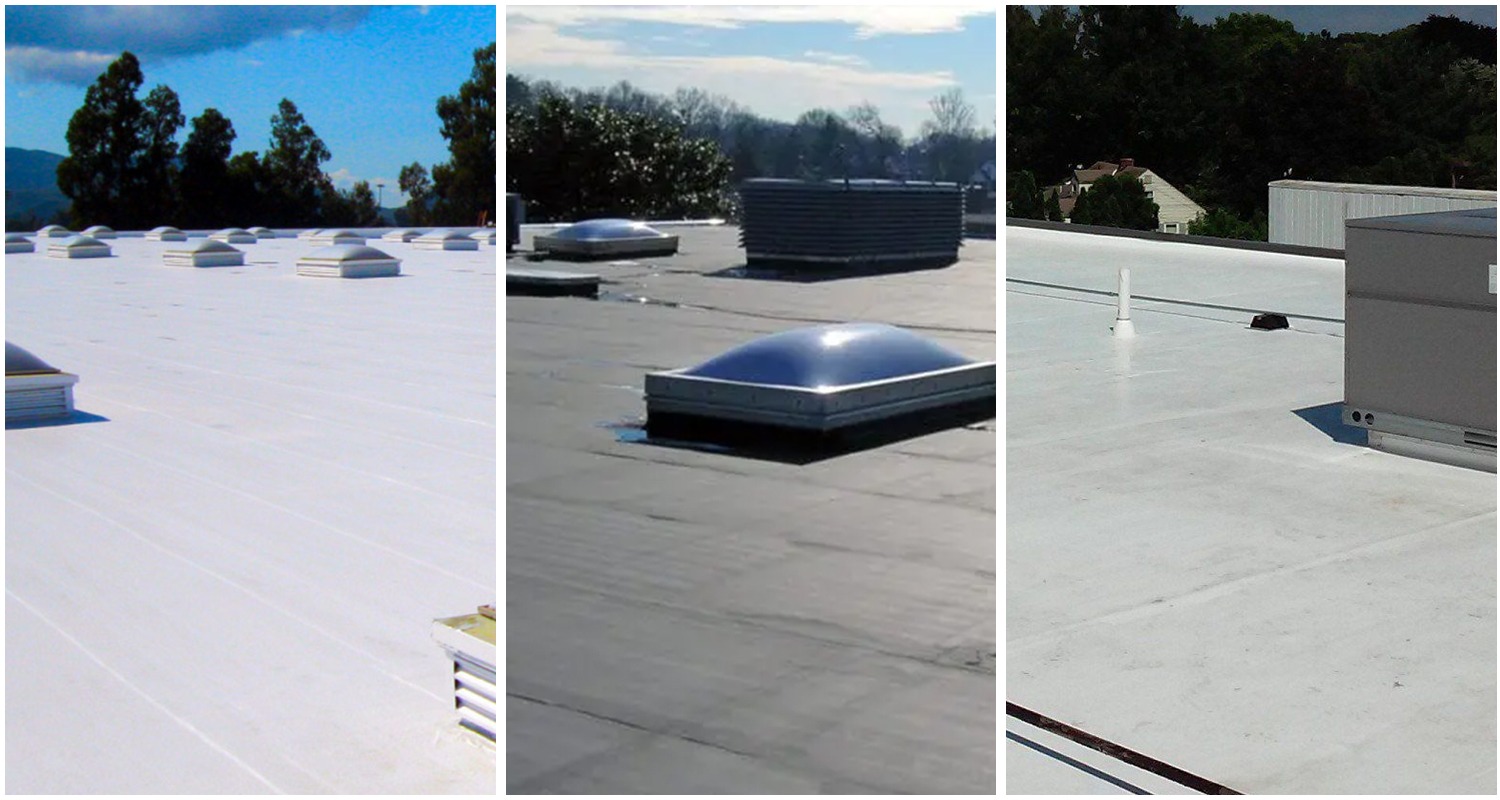
Choosing between EPDM and TPO roofing isn’t just about the material, but about understanding how each system performs over its lifetime. Factors go beyond installation complexity – repair frequency, and energy savings al a role in long-term value. Ee help clients evaluate not only initial costs but also how maintenance and performance impact ROI over decades of use.
EPDM: Proven Longevity
Few roofing materials can match EPDM’s track record for longevity. A well-installed EPDM roof can last 30 to 40 years, sometimes even longer with proper maintenance. Its rubber composition gives it exceptional flexibility, meaning it can handle thermal expansion, hail impact, and structural movement with ease.
This makes EPDM a solid choice for older buildings or structures with multiple roof penetrations, where flexibility is essential to avoid cracking around joints.
TPO: Newer but High-Performing
TPO roofing typically lasts 20 to 30 years. Although it hasn’t been around as long as EPDM, continuous improvements in formulation and manufacturing have made newer generations of TPO membranes significantly more reliable.
TPO is particularly resistant to UV radiation, ozone exposure, and chemical pollutants, giving it a strong advantage in urban and high-heat areas. Many clients pair TPO systems with Energy-Efficient Roof Coatings to enhance longevity and reflectivity.
Real-World Example
One of our clients, a distribution warehouse with a 50,000 sq ft roof switched from EPDM to TPO during a retrofit. Within the first year, the building saw a 12% reduction in cooling costs. The new membrane’s reflectivity made a measurable difference in summer HVAC efficiency.
Conversely, another client, a northern manufacturing plant, chose to stay with EPDM because of its superior cold-weather elasticity, preventing cracking during winter freeze-thaw cycles.
Energy Efficiency and Climate Impact
Energy performance is a major factor in choosing between EPDM and TPO roofing. The right membrane can significantly affect a building’s heating and cooling costs, overall comfort, and sustainability profile. At Silicoat Roofing, we help clients match membrane type to their regional climate, energy goals, and building efficiency standards, ensuring every roof performs at its full potential year-round.
Cool Roof Advantage
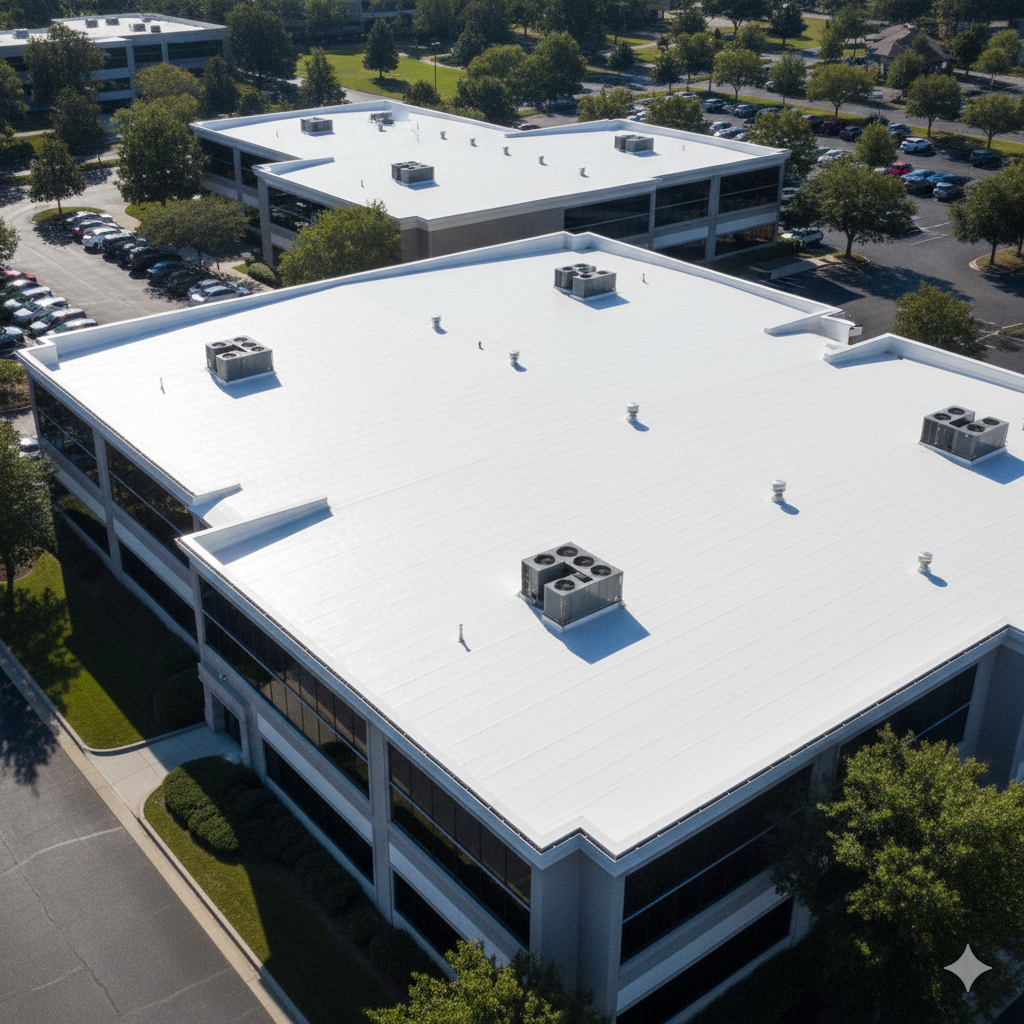
TPO membranes have a clear edge in solar reflectivity. Their white surface reflects sunlight instead of absorbing it, reducing the roof’s surface temperature by up to 60°F compared to traditional dark membranes, a principle backed by the U.S. Department of Energy research on cool roofs. That directly translates into lower cooling costs and less HVAC strain.
EPDM, typically black, absorbs heat which can be a benefit in colder climates where heating demand outweighs cooling. Some manufacturers offer white EPDM membranes, but they tend to cost more and may not match TPO’s reflectivity levels.
Sustainability Considerations
If your organization prioritizes green building certifications like LEED or Energy Star, TPO is often the go-to. However, both systems are recyclable, and Silicoat Roofing ensures that old membranes are disposed of responsibly or reused in secondary applications whenever possible.
Weather Resistance and Performance
Your roof’s ability to withstand changing weather conditions determines how well it protects your building and how long it lasts. Both EPDM and TPO membranes offer excellent resilience, but they respond differently to heat, cold, moisture, and UV exposure. At Silicoat Roofing, we evaluate climate zones, building design, and material compatibility to ensure every roof performs reliably in the face of real-world conditions.
Handling UV, Rain, and Wind
- EPDM: Excellent resistance to UV, ozone, and hail impact. Its flexibility prevents cracking under thermal stress.
- TPO: Outstanding resistance to UV and chemical exposure. Welded seams outperform glued joints in high-wind or storm conditions.
Temperature Tolerance
EPDM can remain flexible down to -40°F, making it the superior option for regions with long, harsh winters.
TPO, on the other hand, excels in warm climates, maintaining reflectivity and strength even under extreme solar exposure.
To determine which performs best in your area, our roof inspection services evaluate insulation levels, moisture, and ambient temperature ranges before recommending a system.
Installation Options and Design Flexibility
The right installation method can make all the difference in your roof’s performance, appearance, and lifespan. Both EPDM and TPO membranes offer flexible installation systems that can be customized to your building’s size, structure, and environmental conditions. At Silicoat Roofing, we help clients choose the most efficient method to balance cost, durability, and design goals for every commercial project.
EPDM Systems
- Fully Adhered: Best for smooth, clean decks; uses adhesive bonding for maximum wind resistance.
- Mechanically Attached: Uses fasteners to secure the membrane; faster and ideal for large, open roofs.
- Ballasted: Relies on stone or paver weight to hold the membrane in place; economical for large buildings.
TPO Systems
- Fully Adhered: Offers superior aesthetics with a smooth finish.
- Mechanically Attached: Common for large roofs; seams heat-welded for water resistance.
- Induction-Welded Systems: Provide uniform attachment and faster installation.
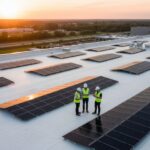
Both membranes can accommodate roof coatings, solar panels, and drainage systems, making them versatile for commercial design needs.
Which Membrane Is Right for You?
Every commercial building is unique; its structure, energy use, and local climate all play a role in determining which roofing system performs best. At Silicoat Roofing, we look at each of these factors before recommending EPDM or TPO.
For warehouses and industrial plants located in colder or moderate climates, EPDM is often the superior choice. Its flexible rubber composition allows it to expand and contract during freeze–thaw cycles without cracking, and its decades-long proven lifespan makes it a reliable investment for large, low-maintenance facilities.
For office complexes and retail centers in warmer, sunnier climates, TPO generally takes the lead. Its white, reflective surface helps deflect sunlight, keeping interior temperatures lower and significantly reducing cooling costs. Business owners who prioritize sustainability or energy-efficiency credits often find TPO to be the most cost-effective option in the long run.
Hospitals, schools, and public buildings require consistent performance year-round, often in areas with fluctuating temperatures. In these cases, both membranes can perform well; the decision typically depends on the facility’s energy demands and the maintenance team’s long-term plan.
For manufacturing plants and laboratories located in dense, urban areas or environments with higher chemical or ozone exposure, TPO provides a distinct advantage. Its chemical resistance and heat-welded seams make it ideal for settings where air pollutants or industrial residues can accelerate membrane degradation.
We help property owners evaluate all these variables from insulation value and environmental exposure to warranty coverage and total maintenance cost before making a decision. The goal isn’t just to install a roof, but to select a system that will deliver maximum performance and value for decades.
The Silicoat Approach
Choosing a membrane is only half the equation. The quality of installation and follow-up maintenance determines the real performance of your roof. Silicoat Roofing’s reputation is built on:
- Certified installers trained in both TPO and EPDM systems
- Advanced moisture-detection tools to ensure proper substrate preparation
- Manufacturer partnerships that provide industry-leading warranties
- Annual inspection programs to prevent minor issues from becoming major leaks
We treat every commercial project as a long-term partnership, not just a construction job. Our roof replacement clients often extend their warranty coverage by years simply through consistent upkeep and documentation.
Common Questions About EPDM vs. TPO Roofing
Which roof lasts longer, EPDM or TPO?
EPDM generally lasts up to 40 years, while TPO typically has a lifespan of 20 to 30 years. That said, newer generations of TPO membranes have closed the gap significantly thanks to improved manufacturing and UV resistance.
Can I install TPO over an existing EPDM roof?
Yes, in many cases, you can. Before proceeding, it’s essential to confirm that the underlying structure is sound and properly insulated. Our Roof Inspection Services identify whether your existing roof is suitable for a TPO overlay or if a full replacement would be more cost-effective.
Is one membrane more eco-friendly than the other?
TPO tends to be more energy-efficient in warm climates because its reflective surface reduces cooling costs. EPDM, being recyclable and durable, performs better in colder regions. Both membranes can meet green building standards when installed by certified contractors through Silicoat’s sustainable roofing practices.
How often should I inspect my commercial roof?
At least twice per year, ideally in spring and fall. Preventive inspections help identify small issues before they turn into major repairs.
Can EPDM or TPO be repaired easily?
Absolutely. EPDM can be patched with adhesive and flashing tape, while TPO repairs are done with precision heat welding. Both systems can be restored quickly and effectively by professionals often without needing a full replacement.
Do I need a coating over my TPO or EPDM roof?
Not always. However, applying a roof coating can enhance reflectivity, lower surface temperatures, and extend the membrane’s life particularly in high-sun or high-heat environments. It’s a simple way to add years of performance and protection to your roof.
Making the Right Choice for Your Commercial Roof
Both EPDM and TPO membranes are strong, durable solutions for commercial roofing. EPDM offers the comfort of proven performance, flexibility, and longevity, while TPO delivers impressive energy efficiency and welded-seam strength for modern buildings.
If your building sits in a hot climate with heavy cooling loads, TPO’s reflective surface could provide measurable energy savings. If your property endures cold winters and frequent temperature swings, EPDM’s flexibility and weather tolerance make it a safer long-term investment.
At Silicoat Roofing, we don’t believe in one-size-fits-all answers. We believe in tailored roofing solutions backed by technical expertise, manufacturer warranties, and preventive maintenance. Whether you’re installing a new roof or replacing an old one, contact us to get a system built for your environment, your budget, and your peace of mind.
About the Author
Rick Dodaj is the founder and CEO of Silicoat Roofing, specializing in commercial roofing solutions that protect businesses and their investments. With extensive experience in commercial roofing, Rick leads a team dedicated to providing cost-effective, long-lasting roofing solutions. Connect with him on LinkedIn to learn more about commercial roof maintenance and protection strategies.
 Previous Post
 Next Post