

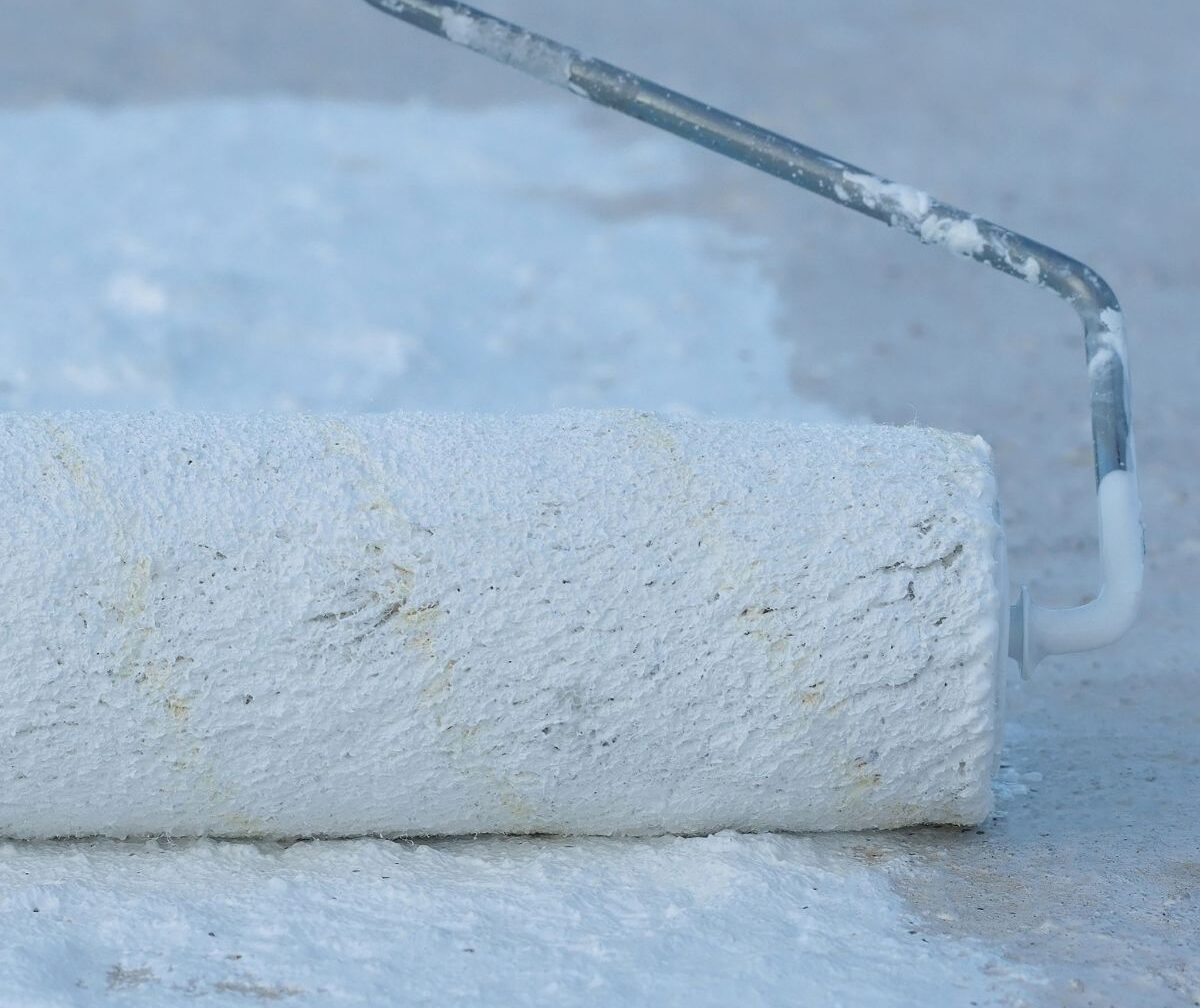
What Drives Commercial Roof Restoration Cost and How to Budget for It
The number that concerns most building owners isn’t the cost of roof restoration. It’s the cost of the wrong decision.
A restoration that’s priced too low often means shortcuts: insufficient surface preparation, a coating system mismatched to the substrate, or moisture problems buried beneath a fresh coat of white elastomeric. On the other hand, a full replacement quote that arrives before a proper evaluation of the existing membrane may be considering a problem that doesn’t yet exist. Both situations are more common than they should be, and each is expensive in its own way.
Commercial roof restoration cost isn’t a single number. It’s the sum of several variables that interact with each other in ways that a per-square-foot estimate from a contractor who hasn’t walked your roof can’t capture. This article breaks down those variables clearly, explains what they mean for your budget, and gives you the framework to evaluate what you’re actually being quoted.
Why the Same Roof Can Produce Wildly Different Quotes
Commercial building owners who have solicited multiple bids for a restoration often describe the same experience: the quotes come back with a wide spread, and nothing in the paperwork explains why. One contractor is 40% lower than the next. Another is recommending a full roof replacement when everyone else said the membrane could be restored. Without a clear understanding of what drives cost variation, it’s almost impossible to evaluate which quote reflects the real scope of work.
The root cause of most pricing confusion is that the condition of the existing membrane, the substrate type, the square footage, the coating system specified, and the level of preparation required all vary significantly from building to building. In Detroit specifically, the added reality of freeze-thaw cycling through Michigan winters means that membrane seams, flashings, and penetration details face stress that roofs in milder climates simply don’t experience to the same degree. A contractor who offers a price without a moisture survey and a full substrate assessment is pricing a job they haven’t actually evaluated. In the end, that number may look attractive, but it’s not a real number.
What makes this more complicated is that the real cost of a restoration isn’t fully captured in the contractor’s invoice. Deferred maintenance compounds. A roof that was a candidate for coating two years ago may now require partial tear-off in saturated sections, which changes the scope and the price considerably. Silicoat’s team consistently finds that buildings where the restoration decision was delayed by even one or two budget cycles tend to arrive at a higher total cost than if the work had proceeded when the membrane was still in restorable condition.
The Variables That Actually Drive Commercial Roof Restoration Cost
The truth is that no single factor operates in isolation. A large roof in excellent condition may cost less per square foot to restore than a smaller roof with significant moisture damage and failing seams. Understanding how these variables combine is what allows a building owner to budget accurately rather than reactively.
Roof Size, Accessibility, and Mobilization
Square footage is the most visible cost variable, but it’s rarely as straightforward as multiplying a rate by a number. Roof accessibility significantly affects labor cost. A ground-level flat roof on a single-story warehouse is a fundamentally different mobilization than a multi-story building, where material and equipment have to be lifted, and safety systems need to be staged. On larger projects, economies of scale typically reduce the per-square-foot cost, but that reduction can be partially or fully offset by access complexity.
Rooftop equipment also matters. HVAC units, skylights, penetrations, and mechanical curbs all require flashing work and careful coating application around their perimeters. A roof with a high density of mechanical equipment will cost more per square foot to coat than an open, unobstructed membrane of the same size, simply because the labor time around penetrations is disproportionately high relative to the field area.
Membrane Condition and Moisture Saturation
This is the factor that separates a restoration from a much more expensive project. Before any coating system can be applied, the existing membrane must be evaluated for moisture intrusion in the insulation layer beneath it. Wet insulation cannot be sealed in place under a coating. It will continue to degrade, cause the coating to fail prematurely, and potentially void the product warranty. Any saturated sections must be cut out, dried, and replaced before coating begins.
The cost implication is direct. A roof where moisture intrusion is limited to a small percentage of the total area may require relatively minor remediation before coating. A roof where 20% or 30% of the insulation is saturated requires significantly more work, and a roof where moisture is pervasive throughout the assembly may not be a coating candidate at all.
Detroit’s climate adds a layer of complexity here. The repeated contraction and expansion of roofing materials through Michigan’s cold winters accelerates seam and flashing deterioration in ways that aren’t always visible from the surface. Moisture intrusion in this market often starts at those stress points, which is exactly why a proper moisture survey matters more, not less, than it might in a more temperate climate.
Coating System Specification
Not all coatings are priced equally, and the differences aren’t arbitrary. Silicone coatings, acrylic coatings, and polyurethane systems each have different material costs, different application characteristics, and different performance profiles over time. The right product for a given roof depends on the substrate type, the local climate, the expected foot traffic, and the building owner’s warranty objectives.
In a market like Detroit, coating flexibility under thermal stress is a meaningful performance variable. A coating system that becomes brittle in sustained cold or loses adhesion through repeated freeze-thaw cycles will degrade faster than one engineered to handle that movement. That performance requirement can influence product selection and material cost in ways that a per-square-foot rate comparison won’t capture. Whether a premium product is justified depends on the specific building’s conditions, and a qualified contractor should be able to explain the rationale, not just quote the price.
Silicoat’s coating systems are specified based on the individual roof’s requirements, not a default product choice. The 20-year warranty backing those systems reflects the matching process behind the installation, not just the product itself.
What Research and Industry Data Say About Restoration vs. Replacement
How much does commercial roof restoration cost compared to full replacement?
Restoration typically costs 50% to 70% less than full roof replacement per square foot, with documented performance advantages that extend the roof’s useful service life when the system is properly specified and installed.
According to the National Roofing Contractors Association (NRCA), the average cost of a commercial roof replacement in the United States ranges from $10 to $25 per square foot depending on membrane type, building complexity, and local labor markets. A quality roof coating system applied by a qualified contractor typically ranges from $3 to $7 per square foot for the installed system, including materials, labor, and preparation on a roof in restorable condition.
That spread is significant at a commercial scale. On a 50,000 square foot roof, the difference between a $5 per square foot restoration and a $15 per square foot replacement is $500,000. Even accounting for the reality that a restored roof will eventually need maintenance or recoating, the financial argument for restoration (when the membrane qualifies) is straightforward.
Coating System Specification
Not all coatings are priced equally, and the differences aren’t arbitrary. Silicone coatings, acrylic coatings, and polyurethane systems each have different material costs, different application characteristics, and different performance profiles over time. The right product for a given roof depends on the substrate type, the local climate, the expected foot traffic, and the building owner’s warranty objectives.
In a market like Detroit, coating flexibility under thermal stress is a meaningful performance variable. A coating system that becomes brittle in sustained cold or loses adhesion through repeated freeze-thaw cycles will degrade faster than one engineered to handle that movement. That performance requirement can influence product selection and material cost in ways that a per-square-foot rate comparison won’t capture. Whether a premium product is justified depends on the specific building’s conditions, and a qualified contractor should be able to explain the rationale, not just quote the price.
Silicoat’s coating systems are specified based on the individual roof’s requirements, not a default product choice. The 20-year warranty backing those systems reflects the matching process behind the installation, not just the product itself.
What Research and Industry Data Say About Restoration vs. Replacement
How much does commercial roof restoration cost compared to full replacement?
Restoration typically costs 50% to 70% less than full roof replacement per square foot, with documented performance advantages that extend the roof’s useful service life when the system is properly specified and installed.
According to the National Roofing Contractors Association (NRCA), the average cost of a commercial roof replacement in the United States ranges from $10 to $25 per square foot depending on membrane type, building complexity, and local labor markets. A quality roof coating system applied by a qualified contractor typically ranges from $3 to $7 per square foot for the installed system, including materials, labor, and preparation on a roof in restorable condition.
That spread is significant at a commercial scale. On a 50,000 square foot roof, the difference between a $5 per square foot restoration and a $15 per square foot replacement is $500,000. Even accounting for the reality that a restored roof will eventually need maintenance or recoating, the financial argument for restoration (when the membrane qualifies) is straightforward.
Restoration vs. Replacement: A Cost Comparison
| Restoration vs. Replacement: A Cost Comparison | ||
|---|---|---|
| Factor | Roof restoration / coating | Full roof replacement |
| Typical cost per sq ft | $3–$7 installed | $10–$25 installed |
| Project timeline | Days to weeks | Weeks to months |
| Building disruption | Low to moderate — operations continue in most cases | Significant — tear-off and replacement causes noise, dust, and access disruption |
| Handles Detroit freeze-thaw stress | Yes, when the correct coating system is specified for thermal movement | Depends on membrane type and product selected |
| Landfill waste generated | Minimal — existing membrane stays in place | Significant — all tear-off material goes to landfill |
| Warranty coverage | Up to 20 years (system warranty) |
Varies by manufacturer and product line |
| Qualifications required | Membrane must be in restorable condition — free of significant moisture intrusion | Available for any roof condition |
Pricing ranges based on NRCA industry data and general market conditions. Actual project costs depend on building-specific variables. Consult a qualified contractor for a site-specific assessment.
The Energy Efficiency Consideration in a Detroit Climate
Reflective roof coatings are most widely discussed in the context of summer cooling savings, and that conversation applies in Michigan, too. Detroit summers carry real cooling loads, and an aged, dark membrane will still absorb and conduct heat into the building on July and August afternoons. Research from the Lawrence Berkeley National Laboratory documents cooling energy savings of 10% to 30% for commercial buildings that transition from dark, aged membranes to high-reflectance white coatings, depending on climate zone, building type, and insulation levels.
The honest caveat for colder northern markets is that a highly reflective roof reflects some solar heat in winter too, which marginally reduces passive solar gain during heating season. For most commercial buildings in Michigan, that trade-off works in the building owner’s favor overall – air conditioning is generally more expensive per BTU than heating in commercial buildings, and the summer savings tend to outweigh the winter offset. That said, it’s a real trade-off worth discussing with a qualified contractor rather than ignoring. A building with unusually high winter heating loads and minimal summer cooling requirements would be a different calculation.
How Silicoat Roofing Approaches Restoration Pricing
Most building owners who contact Silicoat Roofing for the first time have already received at least one other quote, and sometimes, they are lower. Understanding why starts with understanding what a properly specified restoration project actually requires before the first bucket of coating is opened.
“The most expensive roofing mistake I see is in the bidding process, when a building owner chooses a price without understanding what it does and doesn’t include. We’ve evaluated plenty of roofs where a previous coating failed within three years because the prep work wasn’t done correctly. At that point, the building owner has paid twice.” – Rick Dodaj, Founder of Silicoat Roofing.
The Evaluation Process That Precedes Every Quote
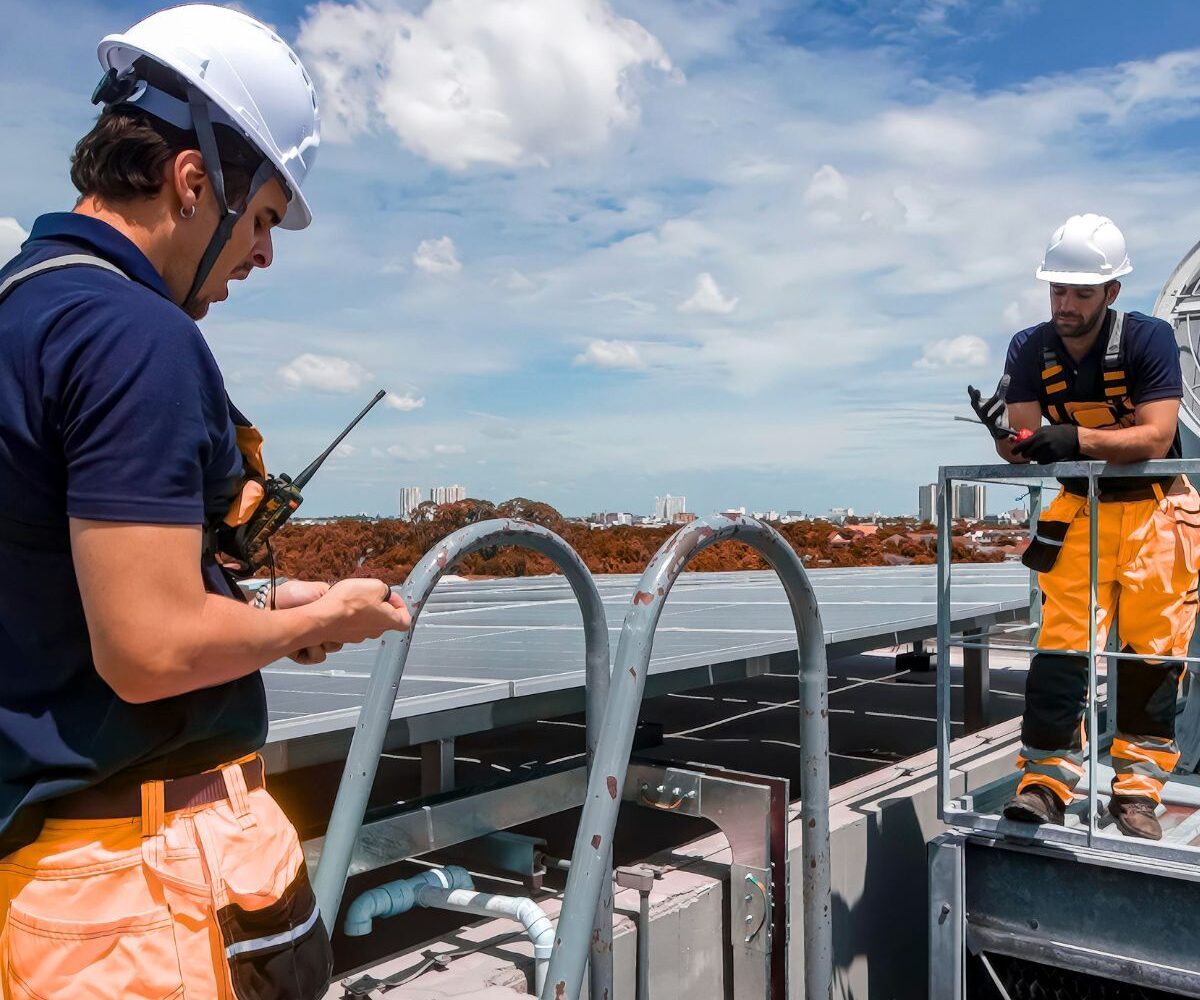
Silicoat’s quoting process begins with a thorough roof evaluation that includes a moisture survey of the existing membrane and insulation assembly, documentation of seam and flashing conditions, identification of any penetrations or areas requiring remediation before coating, and an assessment of the substrate’s compatibility with the proposed coating system.
The moisture survey alone changes the scope of a significant number of projects. What looks like a sound membrane from the surface can conceal saturated insulation beneath it, particularly in older Detroit-area roofs where winters have worked on seam and flashing vulnerabilities over many years. Finding that moisture before the project is priced is what allows the quote to reflect the actual scope of work. Finding it after the project begins is what produces change orders.
What’s Actually Included in a Restoration Quote
A well-structured commercial roof restoration quote should clearly itemize the preparation scope, the coating system specified by product name and specification, the application thickness and number of coats, the warranty terms and who backs them, and any exclusions or conditions that would change the scope. Vague line items like “surface preparation” or “coating application” without specifics are a signal that the contractor hasn’t fully evaluated the job.
Silicoat’s proposals specify the coating product, the application rate in wet mils, the expected dry film thickness, and the warranty coverage in plain language. That level of detail isn’t standard across the industry, but it’s what allows a building owner to compare quotes accurately and understand what they’re actually buying.
Practical Guidance for Budgeting a Commercial Roof Restoration
Getting to a reliable budget number for a commercial roof restoration requires more than a ballpark rate and a square footage estimate. The variables that move the number are specific to each building, and the only way to get a defensible figure is to have the roof properly evaluated before pricing begins.
Questions to Ask Every Contractor Before Accepting a Restoration Quote
Before committing to a restoration project, a facility manager should be able to get concrete answers to the following:
- What moisture survey method are you using, and will I receive the results in writing before the project begins?
- What coating product are you proposing, and what are its CRRC-rated solar reflectance and thermal emittance values?
- What preparation scope is included in this price, and what conditions would change that scope?
- Who backs the warranty on this system (the manufacturer, your company, or both), and what does it cover specifically?
- What is the application rate and expected dry film thickness, and how will that be verified during installation?
A qualified contractor with a properly specified project will answer all of them without hesitation. One that deflects or gives vague answers is worth pressing before signing anything.
Understanding the Full Cost of Ownership
The upfront cost of a commercial roof restoration is the number on the invoice. The total cost of ownership includes that figure plus energy performance improvements over the coating’s service life, minus the cost of periodic maintenance, plus any recoating required at the end of the initial warranty period. Working through that full calculation, even roughly, gives building owners a much more complete picture of the financial decision than a per-square-foot rate comparison alone provides.
For Detroit-area buildings with aging flat roofs, the more immediate cost-of-ownership argument is often the avoided replacement cost rather than energy savings alone. Extending a qualifying roof’s service life by 15 to 20 years through a properly installed coating system defers a significant capital expenditure, and that deferral has real value in any capital planning conversation.
Frequently Asked Questions About Commercial Roof Restoration Cost
How much does commercial roof restoration cost per square foot?
Commercial roof restoration typically costs between $3 and $7 per square foot for an installed coating system on a roof in restorable condition. The range is wide because preparation requirements, coating system selection, and roof accessibility vary significantly by building. Roofs with moisture damage or extensive seam repair will fall toward the higher end or require additional scope.
Is roof restoration cheaper than roof replacement for commercial buildings?
Yes, in most cases where the existing membrane qualifies. Restoration typically costs 50% to 70% less per square foot than full replacement, and it avoids the disruption and landfill waste associated with tear-off. The qualification is that the existing membrane must be in restorable condition (free of significant moisture intrusion) for a coating to be the appropriate solution.
How long does a commercial roof restoration last?
A properly specified and installed commercial roof coating system can last 15 to 20 years, depending on the coating type, application quality, climate conditions, and maintenance. Silicoat Roofing’s coating systems are backed by a 20-year warranty. Periodic inspection and minor maintenance typically help the coating perform at the higher end of its expected service life.
What makes commercial roof restoration costs increase unexpectedly?
The most common source of unexpected cost is moisture intrusion discovered in the insulation beneath the membrane after work begins. Saturated sections must be cut out and replaced before coating, which adds material and labor cost not captured in a surface-level estimate. A pre-project moisture survey is the most effective way to identify this scope in advance and price the work accurately from the start.
Can a commercial roof be restored if it has active leaks?
Active leaks do not automatically disqualify a roof from restoration, but they must be addressed before any coating system is applied. The source of the leak needs to be identified and repaired, and any moisture-saturated insulation must be removed and replaced. A coating applied over unresolved leak points or wet insulation will fail prematurely and typically voids the coating warranty.
The Budget Decision That Gets Clearer With the Right Information
Commercial roof restoration cost is not a number you can find in a table. It’s the product of your building’s specific condition, the scope of preparation required, the coating system matched to your substrate and climate, and the contractor’s ability to accurately evaluate and specify all of those factors before the project begins. Building owners who approach the bidding process with that understanding consistently make better decisions, and they’re far less likely to end up with a change order that blows the budget midway through the project.
Silicoat Roofing’s approach starts with a thorough evaluation, not a rate sheet. Every quote reflects a moisture survey, a substrate assessment, and a coating specification tied to the individual building’s conditions. The 20-year warranty behind that work isn’t a sales point – it’s the logical outcome of a process that takes the specification seriously from day one.
If this changes how you’re thinking about your building’s roof, the next step is a direct conversation with Silicoat’s team – contact us for a free assessment.
About the Author
Rick Dodaj is the founder and CEO of Silicoat Roofing, specializing in commercial roofing solutions that protect businesses and their investments. With extensive experience in commercial roofing, Rick leads a team dedicated to providing cost-effective, long-lasting roofing solutions.
 Previous Post
 Next Post