
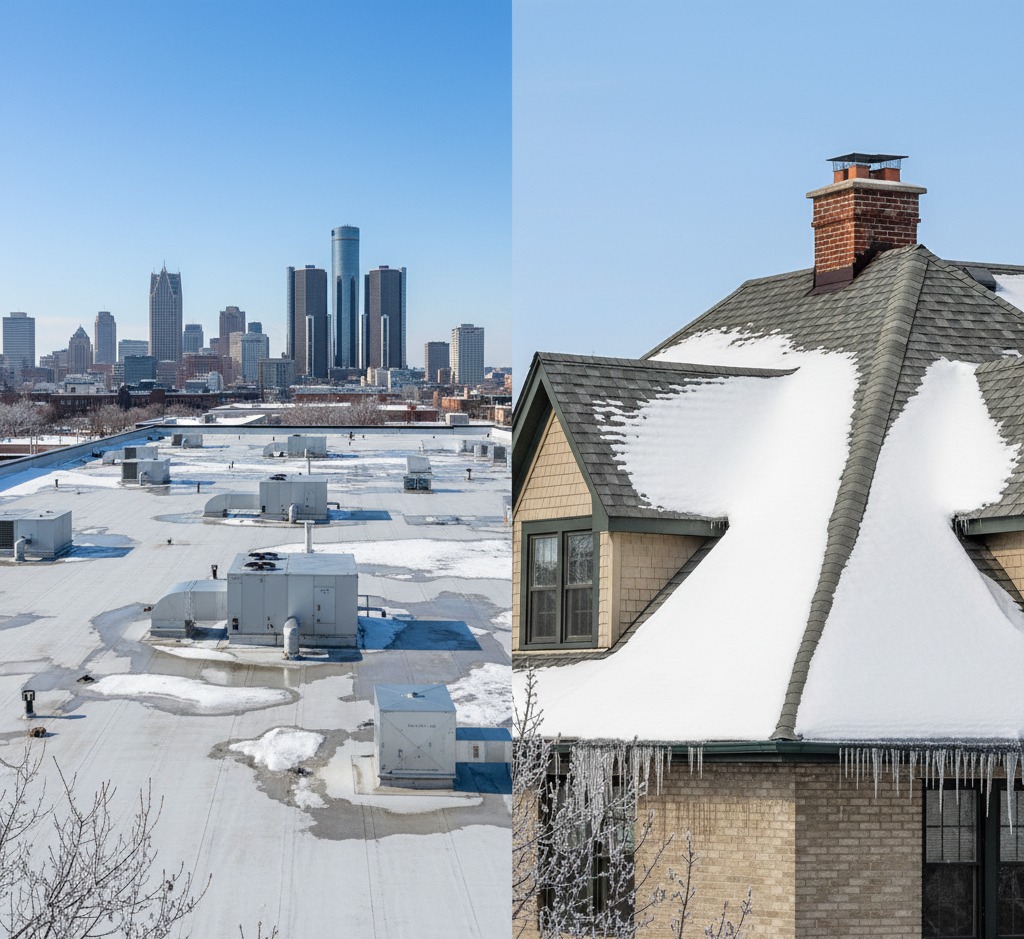
When it comes to replacing, repairing, or maintaining a roof in Michigan, the first question every property owner or facility manager faces is: Is this a commercial project or a residential one? At first glance, a roof might seem like just a protective barrier but in reality, commercial and residential roofing are very different. These differences extend beyond aesthetics and significantly impact design, materials, installation methods, maintenance, costs, and long-term performance.
Understanding these distinctions is particularly important in Michigan, where harsh winters, snow loads, ice dams, freeze-thaw cycles, and building codes create unique challenges. We’ll explore the key differences between commercial and residential roofing, drawing on real-world experience from Silicoat Roofing. By the end, you’ll understand what to consider before making a roofing decision and why choosing the right system can save you time, money, and stress over the lifespan of your roof.
Why the Difference Matters
Distinguishing between commercial and residential roofing is not just a technicality it’s essential for long-term performance and cost-efficiency. Here’s why:
- Technical requirements differ: Commercial roofs often need specialized drainage strategies, waterproofing systems, and higher load capacities. Residential roofs rarely face the same scale of equipment loads or surface area demands.
- Material selection and installation methods vary: Materials that perform well on a pitched residential roof like asphalt shingles may be unsuitable for a flat or low-slope commercial roof.
- Regulations and codes differ: Commercial buildings face stricter building codes, inspection schedules, and safety requirements, often influencing material choice and installation method.
- Cost and risk scale up: Mistakes, leaks, or failures on commercial roofs typically involve higher damage costs and operational downtime.
- Maintenance schedules vary: Residential roofs usually require annual inspections, whereas commercial roofs benefit from quarterly or biannual proactive maintenance.
In Michigan, with its harsh winters and variable precipitation, choosing the right roofing system for your building type is essential for both durability and energy efficiency.
Basic Definitions & Key Structural Differences
Residential Roofs: Steep Slopes and Aesthetic Focus
Before diving into the technical aspects, it’s worth understanding what makes residential roofs distinct. These systems are designed not only for protection but also to complement the home’s architecture and curb appeal.
Residential roofs are most often pitched or sloped to shed water, snow, and ice efficiently. Common materials include:
- Asphalt shingles
- Metal panels
- Clay or concrete tiles
- Wood shakes
Homes often include architectural features such as dormers, valleys, skylights, and chimneys, and aesthetic considerations like color, texture, and shape play a significant role in material selection.
In Michigan, asphalt shingles dominate residential roofs due to their affordability, durability, and resistance to snow and wind. Roofers must account for freeze-thaw cycles, ice dams, and wind uplift, particularly in regions like Detroit, Grand Rapids, or northern Michigan where snow accumulation can be heavy.
Commercial Roofs: Flat or Low-Slope with Functional Emphasis
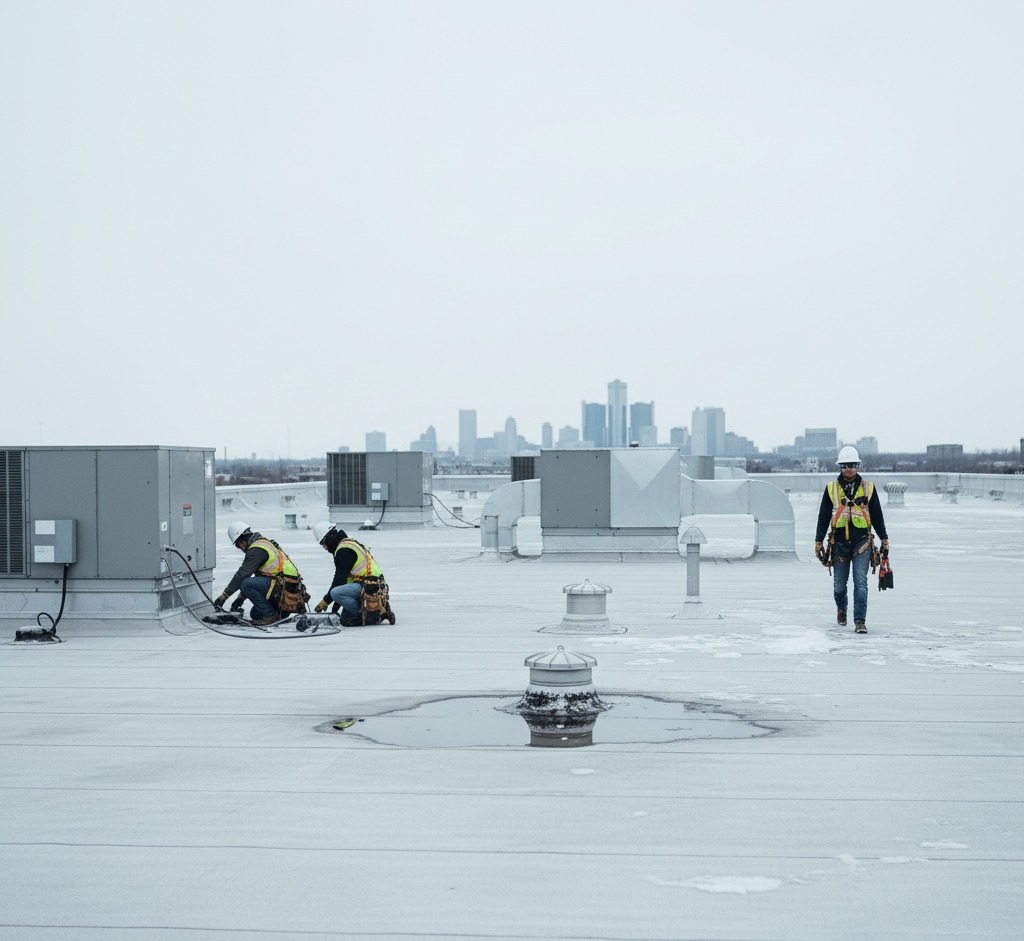
Commercial roofs, in contrast, are typically flat or low-slope (slopes of 3:12 or less). They are found on:
- Warehouses
- Retail stores
- Office buildings
- Industrial facilities
- Institutions and public buildings
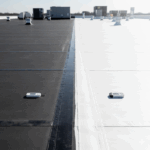
Because these roofs cover large, flat surfaces, drainage becomes a key challenge. Commercial roofs often require membrane systems, insulation, vapor barriers, and precise flashing details to ensure durability.
They also must support rooftop equipment such as HVAC units, vents, and ductwork and tolerate occasional foot traffic. Waterproofing demands are higher, and ongoing maintenance is critical to prevent leaks or structural damage.
For detailed performance and design standards on low-slope and commercial roofing systems, see the ANSI/SPRI roofing system guidelines published by the International Institute of Building Enclosure Consultants (IIBEC).
Common Commercial Roofing Materials
Commercial roofing materials are designed for durability, flexibility, and weather resistance:
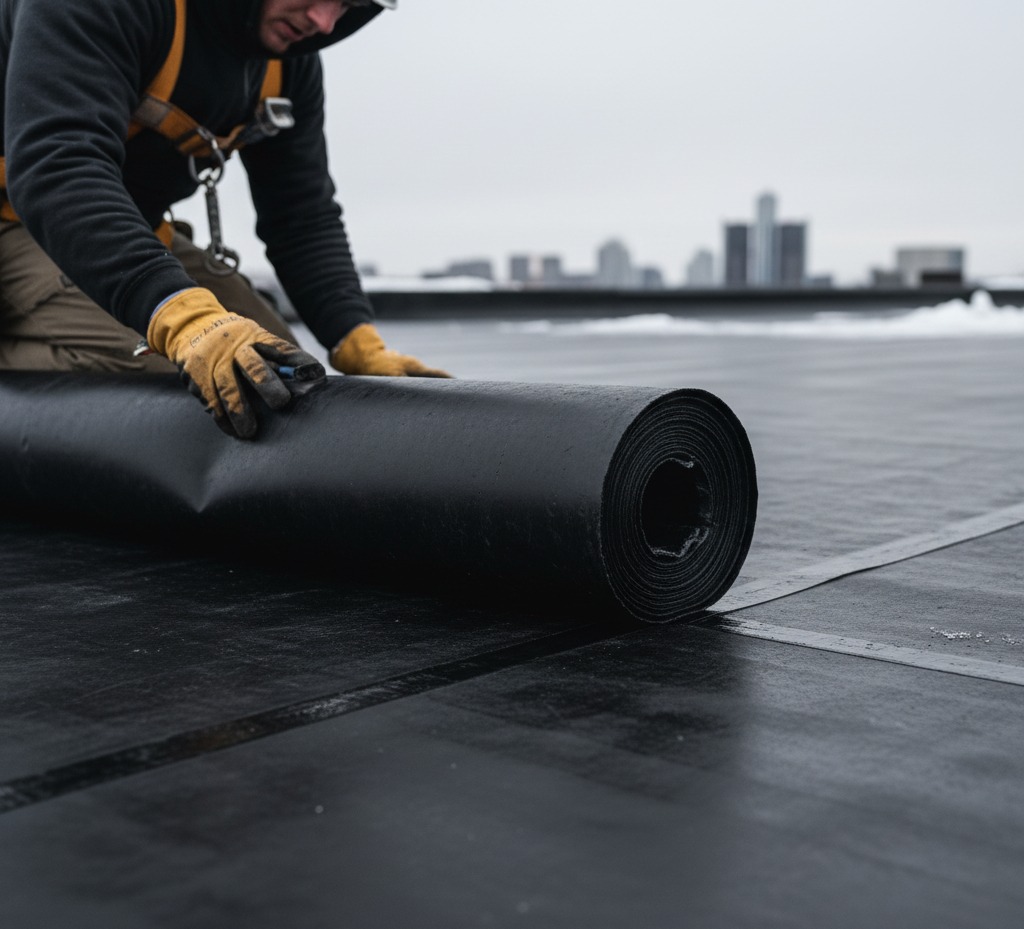
- EPDM (Ethylene Propylene Diene Monomer): A synthetic rubber membrane ideal for low-slope roofs. It is durable, flexible, resistant to extreme weather, and available in large sheets to minimize seams.
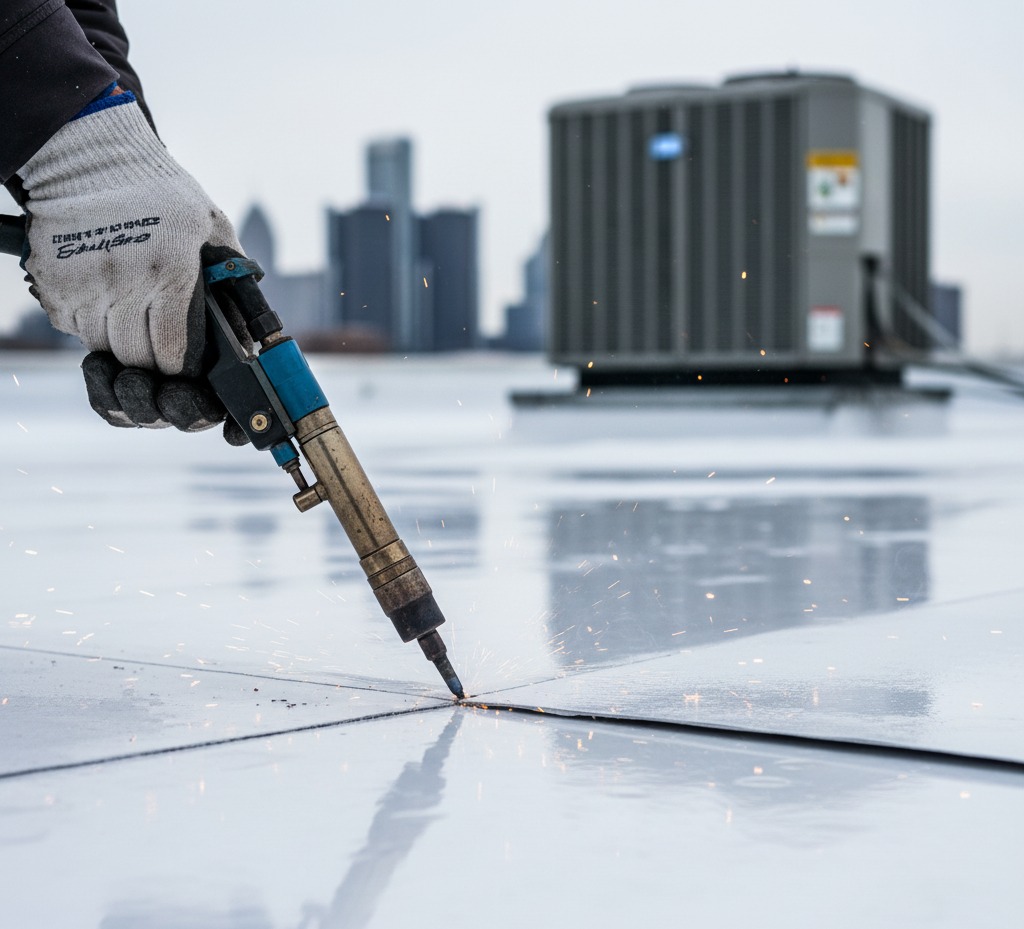
- TPO & PVC Membranes: Thermoplastic membranes that are reflective, energy-efficient, UV-resistant, and often welded at seams for superior leak prevention.
- Modified Bitumen & Built-Up Roofing (BUR): Traditional layered systems using asphalt reinforced for flexibility and long-term durability. Modified bitumen adds polymers to enhance performance.
- Low-Slope Metal & Hybrid Systems: Metal panels and standing seam systems can be combined with membrane layers for both aesthetics and functionality.
Commercial roofs also demand high-performance insulation systems, which help comply with Michigan’s energy codes and improve heating and cooling efficiency.
Michigan-Specific Roofing Challenges
Michigan’s climate makes roofing uniquely challenging. Here are the main factors both residential and commercial roofers must consider:
- Snow & Ice Loads: Heavy snow, ice accumulation, and drifting can stress roofing structures. Flat commercial roofs must be engineered to withstand these loads, while ice dams on residential roofs can cause leaks if not properly addressed.
- Freeze-Thaw Cycles: Repeated freezing and thawing can lead to cracks, membrane shrinkage, and leaks over time, particularly around seams, flashings, and roof penetrations.
- Ponding Water: Flat and low-slope roofs are prone to water pooling, which accelerates membrane deterioration and increases the risk of leaks.
- Wind, Hail & UV Exposure: Michigan storms bring hail and strong winds that can damage shingles, panels, or membranes. UV exposure can also degrade roofing materials, especially lighter membranes.
- Energy Efficiency & Building Codes: Proper insulation, reflective membranes, and roof coatings help meet Michigan energy codes while reducing heating and cooling costs.
Cost Considerations
Commercial roofing projects are generally more expensive per square foot due to:
- Scale and Complexity: Larger roofs with multiple penetrations, flashings, and drains require more planning and labor.
- Advanced Materials and Insulation: Membranes, multiple insulation layers, and vapor barriers add to the overall cost.
- Labor, Safety Systems, and Equipment: Large crews, lifts, scaffolding, and safety protocols increase installation costs.
- Warranty and Performance Expectations: Commercial projects often demand extended warranties and higher performance standards.
- Maintenance Planning: Access points, walkways, and inspection systems may need to be integrated from the start.
Investing in quality materials and professional installation often reduces lifetime costs. A well-installed commercial roof can last 20-40+ years, while residential asphalt roofs typically last 20-30 years under Michigan conditions, with premium materials lasting even longer.
Maintenance Practices and Lifecycle Management
Proper maintenance is critical for maximizing roof lifespan. Here’s a closer look at best practices for each type:
Residential Roof Maintenance
- Annual inspection of gutters, valleys, flashing, and shingles
- Cleaning gutters to prevent ice backups
- Prompt repair of damaged or missing shingles
- Monitoring for mold, algae, or discoloration
- Ensuring proper attic ventilation to prevent moisture buildup
Commercial Roof Maintenance
- Biannual or quarterly inspections, especially before and after winter
- Cleaning drains and scuppers to prevent ponding
- Inspecting roof penetrations and flashing for damage
- Addressing seam or membrane issues immediately
- Monitoring for shrinkage, blistering, or delamination of membranes
- Keeping detailed maintenance records for warranty compliance
- Planning roof coating restorations or overlays as needed
Proactive commercial maintenance can prevent costly leaks, interior damage, and structural issues. Minor problems, if left unchecked, often escalate into major repairs.
Roof Longevity and Sustainability Considerations
When planning a new roof, repair or replacement, it’s important to think beyond immediate costs and focus on long-term performance and sustainability. Both commercial and residential roofs can benefit from strategies that extend lifespan, improve energy efficiency, and reduce environmental impact critical considerations in Michigan’s climate.
Longevity Factors
- Material Quality: High-grade shingles, metal panels, or commercial membranes can last decades if properly installed. Investing upfront often reduces replacement frequency and overall lifetime costs.
- Installation Precision: Proper flashing, seam welding, and drainage installation are vital to prevent leaks, water damage, and structural issues over time.
- Climate Adaptation: In Michigan, roofs must withstand heavy snow, ice accumulation, wind, hail, and freeze-thaw cycles. Choosing materials rated for local conditions ensures durability and fewer emergency repairs.
- Regular Maintenance: Proactive inspections and maintenance cleaning drains, repairing minor membrane or shingle damage, checking flashing can prevent small issues from becoming costly problems.
Sustainability and Energy Efficiency
Modern roofing solutions can also contribute to sustainable building practices:
- Reflective Membranes and Cool Roofs: Commercial roofs with reflective TPO or PVC membranes reduce heat absorption, lowering cooling costs during Michigan’s warm summer months.
- High-Efficiency Insulation: Proper insulation reduces heating needs in winter and cooling needs in summer, which is especially important in the energy-intensive Michigan climate.
- Recyclable Materials: Many residential and commercial roofing materials including metal, certain shingles, and membranes can be recycled at the end of their life, reducing landfill waste.
- Green Roof Options: For commercial buildings, incorporating rooftop vegetation or gardens can improve insulation, manage stormwater, and provide environmental benefits while extending roof lifespan.
By considering longevity and sustainability when choosing a roofing system, property owners in Michigan can maximize value, reduce energy costs, and minimize environmental impact. A well-planned roof is not just protection, it’s a long-term investment in your building and your community.
Choosing the Right Contractor
Selecting a qualified roofing contractor is crucial. Key factors include:
- Experience: Proven track record with both residential and commercial roofs
- Certifications: Manufacturer-approved installer credentials
- Insurance and Bonding: General liability and workers’ compensation coverage
- Warranty Coverage: Clear terms for materials and workmanship
- Local Reputation: References and reviews in Michigan
- Climate Expertise: Knowledge of Michigan weather and building codes
- Maintenance Commitment: Offering follow-up services or maintenance programs
At Silicoat Roofing, we combine local expertise, full licensing, and extensive experience across both residential and commercial roofing projects in Michigan, ensuring reliable, long-lasting results.
Summary and Recommendations
- Structural design differs: Residential roofs are sloped, while commercial roofs are flat or low-slope.
- Materials and systems differ: Commercial roofs rely on membranes, insulation, and drainage systems; residential roofs typically use shingles, panels, or tiles.
- Michigan weather increases demands: Snow loads, freeze-thaw cycles, ponding, and wind stress make proper design essential.
- Costs and stakes differ: Commercial projects require higher upfront investment and careful planning.
- Maintenance is essential: Regular, proactive care dramatically extends roof life.
- Contractor selection matters: Choose professionals with local experience and expertise in both commercial and residential roofing.
If your building requires a new roof, repairs, or a maintenance plan in Michigan, you need a partner who understands both commercial and residential systems. Silicoat Roofing provides expert guidance, high-quality installation, and long-term support to ensure your roof performs optimally for decades to come.
About the Author
Rick Dodaj is the founder and CEO of Silicoat Roofing, specializing in commercial roofing solutions that protect businesses and their investments. With extensive experience in commercial roofing, Rick leads a team dedicated to providing cost-effective, long-lasting roofing solutions. Connect with him on LinkedIn to learn more about commercial roof maintenance and protection strategies.
 Previous Post
 Next Post